Leadership Under Pressure: Coming Home as the Man Your Family Needs | Matt Thomas


 Apple Podcasts
 Spotify
 YouTube
 RSS Feed
 Castro
 Fatherhood is a job you never clock out from. But how do you remain present at home when your career requires you to operate under constant pressure?
Matt Thomas spent more than three decades in Arizona law enforcement, serving in patrol, narcotics, investigations and training. He also led SWAT teams through hundreds of high-stakes missions.
At the same time, Matt built a marriage spanning more than 31 years and raised three children.
In this episode of the 4 Fit Fatherhood Podcast, Matt and Rod discuss leadership under pressure, accountability, decision-making and the challenge of keeping job-related stress from taking over your home.
They also discuss what it takes to remain dependable as a husband and father when your work demands so much of you.
This conversation covers:
• Making clear decisions when the stakes are high
• Building trust and accountability within a team
• Separating your professional identity from your family role
• Managing stress before walking through your front door
• Leading your family without trying to control everything
• Becoming a man your wife and children can trust
If you are working hard to provide while also trying to remain present, patient and connected at home, this conversation is for you.
Connect with 4 Fit Fatherhood:
Fatherhood resources and programs:
https://stan.store/4fitfatherhood
Baseline Performance supplements:
http://www.baselineperformancenow.com/
Save on ZZZ Tape:
https://zzztape.com/discount/4fitfatherhood?ref=qmhrgitu
Follow on Instagram
👉🏿 @4fitfatherhood
Rod Richard: Fatherhood is a job where you don't get to clock out. And for some men, the day already lives at the level that most people can't relate to. Today's guest is Matt Thomas. He spent more than three decades in law enforcement. He's worked patrol, narcotics, investigations, and training. He ran SWAT for years and led hundreds of missions. He also spent over 31 years married and raised three kids in the middle of it all. So this conversation isn't about war stories. it's about leadership under pressure and what it takes to come home and still be ready to be a husband, a present father and a man your family can trust. We're going to talk about how you make decisions when the stakes are high, how you build culture and accountability when you lead teams and how to protect your home from the stress that comes with work. If you're a dad trying to provide, stay present and lead with a clear head, You're going to get a lot out of this one. Matt Thomas, welcome to the show. All right, welcome back to the Forfeit Fatherhood podcast, a podcast for fathers by fathers, where we talk about the four pillars of fatherhood, which are faith, family, finance, and fitness. And I got another rock star guest for you guys today. I know you guys, I'm saying this because I think you do. I know you guys like when I'm on here and I'm talking about myself, right? I'd like to think that you guys like that, but it seems like these guest episodes always get a little bit more listened. So I'm excited to have. a guest on with me today. My guest today is Matthew Thomas. Matt, how you doing brother?
Matthew Thomas: I am doing well Rod, how are you?
Rod Richard: I'm doing amazing, man. I'm having a good day. It's nice and warm here. I got a little fan on, so I hope it doesn't mess up the sound. I can barely feel it, because I got it turned all the way down, so I don't hear it on the speaker.
Matthew Thomas: Yeah
Rod Richard: But I get like a little breeze every time I turn this way. I feel it a little bit. So if you see me looking to this side, I'm trying to catch a little breeze.
Matthew Thomas: It's all good. I'm trying to do the same thing. I got a fan overhead because I'm in sunny Arizona today and yeah, it's a little warm.
Rod Richard: All right, so Matt, for the guys who have not heard of Matt Thomas yet, maybe haven't got an opportunity to kind of see you on social media, read your books and all that kind of stuff, can you tell them a little bit about yourself?
Matthew Thomas: Yeah, so I am an Arizona native and I've been proudly married for, we are about to hit our 33rd year, which is one of my... bigger accomplishments. I've got three wonderful kids, two daughters and a boy and the boys the youngest. He's about to graduate and I've got two beautiful grandchildren, which is the best thing ever. And
Rod Richard: you
Matthew Thomas: in addition to that, I've been a cop for coming up on 33 years and the wife's been with me for that whole ride and I was with the Pinellas County Sheriff's Office for 32 and in May of last year, I retired from there as second in command and I took a chief's job. in a small town inside of the county. That's it, man.
Rod Richard: Awesome, awesome. I'm a girl dad too. I got two girls. and yours are, yours are adults now. Mine are 11 and 13. So definitely got to lean into how you survive the, this, this tween-ager thing that I got going on in my house right now.
Matthew Thomas: Standby, bro, standby.
Rod Richard: Man, they, they, it's interesting how quickly it all just changed, right? They were just like my little girls. My youngest is still like cuddly and all that. My oldest daughter, she's
Matthew Thomas: Right.
Rod Richard: 13 going on 30 at this point. and starting to kind of get into
Matthew Thomas: But
Rod Richard: like wanting to do things on her own and how you could just drop me off. No, I'll go to the mall. Just drop me off. My friends will be there. Like, what? Absolutely not. But but, you know, little attitude here and there.
Matthew Thomas: Mm-hmm. Mm-hmm. I know, and man, and with the social media stuff, too, see, my daughters were, generationally, they were kind of spread out. My oldest daughter's 33. My middle daughter, she's 22, so they had a pretty big gap in between them. So my older daughter, social media wasn't a thing. She was a 90s baby, so no social media, none of those concerns. I don't think she even had a phone until she was in high school. My middle daughter, social media started being a thing, a little more drama, a little more hectic. yeah, with the boys, boys are different, They just, yeah, they're built different.
Rod Richard: Yeah, yeah, I can only imagine. don't have any, but I got nephews and it's a different world hanging with my nephews versus hanging with my nieces or my daughters. And my friends have sons and it's like, does he ever sit down? Is he ever gonna just stop? Like he's
Matthew Thomas: Ha ha.
Rod Richard: not gonna stop the whole time. You guys have been here for eight hours and he's been non-stop the whole eight hours,
Matthew Thomas: Hey, I will tell you this though, you are lucky in the sense that your grocery bill will not look like my grocery bill because my girls and I'm sure it's the same for you. My girls ate, but my boy took it to a whole new level of eating. Like I
Rod Richard: You
Matthew Thomas: have to tell them like, bro, just because we shopped at Costco does not mean you need to wipe that all out in one day, right? And send us back
Rod Richard: Yeah.
Matthew Thomas: to Costco three or four times a week.
Rod Richard: It's like, yo, we got it. We got to finish it, right? So let me let me make sure I do it all in. Yeah, that's funny. That's funny. So let's let's start at start with the first thing you mentioned, right? Thirty thirty
Matthew Thomas: Yeah.
Rod Richard: three years of marriage.
Matthew Thomas: 33 years of marriage, 34 years together. We met in high school, actually. We both went to high school together and she did not like me in high school. And
Rod Richard: you
Matthew Thomas: after high school, oddly enough, my one of my best buddies was right across the street from her house. And that's where he lived. And so I'd go over there and visit. And her sister came out one day and her sister was her younger sister said, hey, you should date my sister, Susie. I like, your sister doesn't even like me. Like she's never liked me. And she's like, I think she'd go out with you if you asked her out. And so sure enough, I said, all right. So I asked her out and we started dating. yeah, man, we've been together ever since. that was, let's see, that would have been right around late 1990 into early 91.
Rod Richard: And that's a long time. That's a really long time. Like me and my wife
Matthew Thomas: Yeah.
Rod Richard: and I are high school sweethearts. We got together. I was a sophomore. She was a freshman. So we're going on
Matthew Thomas: Okay.
Rod Richard: 28 years together, 18 years married, but nowhere.
Matthew Thomas: Nice. Congrats.
Rod Richard: You guys got some time on us, man. And so I'm curious, you never stop growing in the relationship, right? In the marriage. You just kind of
Matthew Thomas: Right.
Rod Richard: always... evolving because both people are evolving. What do you think has maybe
Matthew Thomas: you
Rod Richard: been your secret to success in this thing?
Matthew Thomas: 100 % her. The secret to success has been her
Rod Richard: Yeah.
Matthew Thomas: willingness to put up with me.
Rod Richard: Hahaha!
Matthew Thomas: I, you know, this is a tough career, man. It's tough on marriages. we, a lot of times we end up having second and third and fourth wives because it is so tough. And so I think our secret to success has been a strong family, right? Both hers and mine. So family support system behind us because there's been a, it hasn't always, you know, it wasn't all unicorns and rainbows, man. There were some tough times. There was a time where we were split up for about six months and I had moved out and we were on the verge of divorce. And really our family came together behind us and kind of pulled it together and helped us navigate that where, you know, we would sit down with my mom or with her mom and They would kind of guide us through some of those hard times and then her and I just getting through some of those hard times. And I think the crux of how we stayed together was that we truly love each other. And I think even when we were going through the rough times, we weren't mean to one another or any of that. And when we sat down and decided to try and give it another go, so there was no... you know, no meanness involved. hadn't been calling each other names or any of that hate that comes along with it. We kind of, like I kind of said, you know, like I really, I love you, but like I like you too. You know, I like hanging out with you and I like being together with you and really she is my best friend. And I think that's the way God designed it, right? And I think that's been one of the secrets to success for us is the fact that you know, especially when we were younger, when a lot of people would be like, hey, let's all the guys, let's go do this and all the girls, let's go do this. And we weren't, we weren't really into that. We wanted to be with each other. So we would, if couples said, Hey, let's go out together as couples. That was more our style. And so we've kind of been a team all through it. And then, you know, through, I was 18 years on our SWAT team. That's a lot of getting called out. That's a lot of interrupted. dinners and birthdays and all that stuff. And then I worked undercover and that's hard on your relationships. And so again, I give her full credit because she was like the rock and the glue of our family.
Rod Richard: Yeah, man, I can imagine that that's one, it's a tough career to do solo.
Matthew Thomas: Thank
Rod Richard: It's definitely a tough career to do with a wife and kids. How did you manage that part of it? you know, still maybe being the man that you want to be, being the father and the husband that you want to be, but also kind of dealing with these high stakes situations.
Matthew Thomas: Man, I failed a lot. I don't think I was the father that I really wanted to be. I don't think I was the husband that I wanted to be or ultimately should have been. I think I screwed that up quite a bit. And that's why I give her so much credit because she gave me a lot of grace. And I think in this type of career, it's easy to be self-focused and self-centered because you're... trying to make a name for yourself, you're all in on some of this stuff. And so what that means is your family becomes second, right? And your work family starts to become first, your family at home starts to become second. But I think it set in for me finally when we split up and we're on the verge of divorce, I think that's where it really hit home for me. Because I looked around at dudes like me, right? And I looked at some of the dudes that had already retired. and were sitting at home alone, didn't have their family around them, didn't have a wife with them, didn't have their kids around. And I was like, man, I don't want to be that. I don't want to be that guy that's sitting there just drinking myself to sleep every night with all the regrets from messing things up. And so that's really where I started to kind of refocus. And then as we came back together, you know, It took a while to fix the damage that was done through just that split up and some of the stuff that went along with it. But as we strengthened that relationship in about 2014, I got back to my faith and that was huge. Dude, that was just a game changer for the whole relationship. And so when I got back to faith and she had been... to me, she had been kind of praying for that in the background, right? She had been asking God, like, soften his heart, get him back, get him back. And when it happened, it was actually a buddy of mine that invited me back to church. And I was raised as Catholic and I had become disenchanted with the whole system. Especially this career kind of makes you,
Rod Richard: you
Matthew Thomas: not kind of, it makes you very cynical. And so cynical, suspicious. And so I looked at some of the stuff going on in the church and I was just disenchanted with the whole system. So I got away from it and going back, I went back to a non-denominational Christian church and just was blown away, man, quite frankly. I swore to God that my buddy had told the pastor that I was coming and had told him my whole story
Rod Richard: you
Matthew Thomas: because that first day I sat there in church It was like he was talking directly to me and I to the point where I'm looking around and I'm looking at my buddy and I'm like, you told him I was coming. He's like, dude, no, didn't. And so from that day forward, we really, our bond strengthened even more. I mean, we had a good marriage, but it strengthened even more. It brought a sense of calm to our relationship, to our family. And it helped me navigate because during that time I was doing some, some of the most high stakes work I had done. And so it helped us navigate all that.
Rod Richard: It's funny how that happens, man, when you get in there and it's like,
Matthew Thomas: Yeah.
Rod Richard: you know, in the Bible, being as old as it is, the text being as old as it is, and the messages being as old as they are, somehow, like every time you sit in there, it's like, how do they, how do know, like that's
Matthew Thomas: Ha ha ha.
Rod Richard: happening right now. Like how are we connecting that to the right, like, but it's amazing how it hits you the way it's supposed to every single time. And
Matthew Thomas: yeah.
Rod Richard: it's funny, I was just talking to somebody about that similar situation. I kind of lost his way. came back to it and it like that first time he stepped in the church, he was like, hey, they're talking. It was actually Drew Sinclair, he's in our group. Yeah,
Matthew Thomas: yeah, yeah, yep.
Rod Richard: he was like, he was talking to me. The pastor was looking
Matthew Thomas: Yeah.
Rod Richard: me in the eye and he was talking directly to me. And
Matthew Thomas: Alright.
Rod Richard: it's funny how it happens that way. And it's just something about that moment that like pulls you even deeper in.
Matthew Thomas: yeah, yeah, for sure. Cause I, you know, I knew then that I was home like, and, and, you know, know you'll understand this. lot of your listeners will understand it. I didn't even realize that I had a void or that I was missing something or what I was missing, until it was filled with the right thing. Right. And that's that, that was with my faith. And so once that void was filled with my faith, like the clarity, the understanding, everything just came with it. And again, it brought a sense of calm. And I think that was the problem, right? That the storm was caused by not being on the right path and just trying to make a square peg fit around hole. And I was pounding and pounding and it just wasn't going. And then this happened and it was like, boom, there it is.
Rod Richard: Yeah, that's awesome. That's awesome. So let me ask you, I guess we kind of go back a little bit. Did you always want to be a cop? Was that something that like when you were little and you're like, what do you to be to grow up? And you said you said a cop.
Matthew Thomas: So I guess yes and no, kinda sorta. So I watched my grandfather, he was a World War II vet. My dad bounced when I was real young, like I don't even remember, I think
Rod Richard: you
Matthew Thomas: he was about four years old, five years old. So I was with a single mom and we lived in section eight government subsidized housing in a rough ass neighborhood in South Phoenix. But just down the road were my grandparents, so I spent a lot of time with my grandpa and he was a World War II vet, my grandma was a World War II vet. and got to see him interact with some of his buddies. And so I think that drew me to want to serve in some capacity, right? Whether it be first responder or military. So was kind of drawn to that. And then growing up in a rough neighborhood, quite frankly, I was exposed to the police a lot. And, you know, I had buddies that have been to prison. I had family members that had been to prison. And I was really on the cusp. Like I could have went either way. And it's weird because as a teen growing up in that environment, think like prison didn't scare me. Going to jail didn't scare me. It was just one of those things that you're like, yeah, that's what happens in our neighborhood, right? just,
Rod Richard: real possibility, yeah.
Matthew Thomas: yeah, yeah, you just do your thing and you'll probably go to jail, but I know plenty of people there and you know, I ain't worried about that. And so I could have went either way, but to answer the question, yeah, I was drawn to that service aspect. interacted with police officers and the Phoenix police officers that I interacted with I think kind of shaped my Just how that I liked the cops that they were always real cool to us. They treated us real decent Well almost always like 99 % of the time but the 1 % was usually our fault. Anyways, let's be honest,
Rod Richard: Yeah.
Matthew Thomas: but Yeah, so then as I got into I graduated high school. I was trying to figure out what I'm gonna be when I grow up and Like I said, my wife and I started dating and I was 19. She was 20 and she tells me, Hey, I'm pregnant. So I had to figure it out like really fast. So I was thrust into fatherhood as a teenager and I was 20 when my daughter was born and my wife was about to be 21. And that was it, man. I, I saw at that point, I was looking at military hard and I started applying to different agencies all around. I said I got to get into government work and you know not trying to be rich I just want something steady for my family so I have benefits and all that stuff and Pinal County was the the first ones to call me man and you know so I signed on with them just I was 20 years old when I signed on with them in 1993 and I stayed there for 32 years so I spent my whole adult life there and kind of grew up there man and the career treated me really good. had a lot of cool assignments and I had a blast doing the job.
Rod Richard: Okay. Okay. I was gonna say what was that like that rookie year like because I know it's being
Matthew Thomas: Ha ha ha.
Rod Richard: a a cop in general is tough work, right? Like it's not it's not a walk in the park
Matthew Thomas: Yeah.
Rod Richard: by any means, but I can imagine that first year, you know, transitioning from just being the guy in the neighborhood to now being being the authority figure in the neighborhood had to be a transition
Matthew Thomas: Yeah, the man,
Rod Richard: that you have to try to adjust to and navigate. What was that? What was that like for you?
Matthew Thomas: It was weird. The good thing was at the sheriff's office, I started in the jail. So why that's good is because it's a little more controlled environment. you know, it's a crazy environment, but it's a little more controlled. And so as a 20 year old spending that first year working in the jail, I learned a lot of how to navigate the government piece, right? Because it's different. And that also gave me time to kind of, you start to break away from the neighborhood stuff and your friends growing up and for better or worse, it is what it is. You start to kind of shape yourself differently and you start to trim off some of the people that quite frankly would get you in trouble if you keep hanging out with them. And so I think it worked out to my advantage that I was kind of steering in a different direction and breaking off. I would still... say what's up to my friends and stuff that were about that life. And I still, if I ran into them, treat them respectfully, we grew up together. But I was just on a different life path. And I think that had I not, that I probably would have been on the other side of those bars. And so that year was a good year of learning and changing and growing. And then as I, what we say is go out to the road, as I went out to the road and became a street cop. that just furthered, you know, and you tend to start to, for better or worse, you start to isolate yourself more because you start to see society for what it is. And it's almost like the matrix where you took the pill and now you can see all the code and you start to see the world a lot differently. And then, you you just, grow up really, really quick. I'll tell you that.
Rod Richard: Yeah, I was gonna ask you that because I know I can just imagine being on the other side and kind of getting to see, because I obviously have never been in law enforcement, right? But I can just imagine that, even if you mentioned earlier being cynical, because you get to see the world for like what it really is, right? Like you, you know,
Matthew Thomas: Right.
Rod Richard: when you're the wolf protecting the sheep, you get to see all of the things that maybe the sheep don't see. Like normal people don't notice that this stuff is going on. Like we just have no idea. We're just going
Matthew Thomas: All right. Right.
Rod Richard: to work. You know, we're paying bills, taking care of kids. Like everything is roses. you know, if something happens, happens on the news to most people, right? Like it doesn't really happen to us,
Matthew Thomas: Okay.
Rod Richard: but you're on the other side of it. And even if it's not happening in your specific sphere, you're next to guys who was happening around them and they're telling you and like, is that? Like kind of getting like, I don't want to say the wool pulled off your eyes, but like being able to see, you know what I mean? Like you now see the world for what it is.
Matthew Thomas: Yeah, you get to see behind the curtain.
Rod Richard: Yeah.
Matthew Thomas: Yeah, you get to see behind the curtain. that's one of the things that, well, I guess I'm an old cop now, but the old cops will tell the young cops is, welcome to the greatest show on earth. And now you get to see behind the curtain because that's really what it is, You are seeing the true world, right? You're seeing good, bad, and different. You're seeing everything. You're seeing the good, you're seeing the evil because there's no cooler feeling than watching a baby being born, you know, with an EMT on the side of a road and seeing everything work out, right? And a new life coming into the world and all of that work in the way it's supposed to. And there's nothing worse than picking up a dead baby and having to put them into a bag and then go notify their parents of, you know, what's going on. So you see... all the good, all the bad of the world. And I don't know, man, it changes you. It changes the essence of who you are and how you view things. And it challenges you, I told you with my faith, I was challenged quite a bit because there's stuff that you see that you're like, there's no way that our God would allow this to happen. But yet here it is right in front of me. And so it challenges your faith. challenges your belief system and then you get to see how evil people are to each other and just how mean and obnoxious and everything else that they can be. But on the flip side of that, I've watched people be absolute great human beings at the same time. So it's this weird dichotomy of just seeing everything for what it is. And that's why I compare it to the Matrix because you truly do have two worlds that you're functioning in. And then you got to learn how to navigate that piece of it, right? The two world thing, because I don't, you try to protect your family from that world creeping into your home life. And then that becomes a whole thing of its own because you tend to isolate and shut yourself off. And it's because it's a protection mechanism, but that can damage relationships as well. So it's a lot, man. It's a lot.
Rod Richard: Yeah, I was gonna ask you like when you have one of those days, right? Like a heavy day like that, like how do you shut that off? Or like how do you walk into the house and just be mad again, not Officer Tom? You know what I mean? Like how do you, did you
Matthew Thomas: Yeah.
Rod Richard: have like a routine or was it just something like you just put it on the shelf, shut the door and we just, whatever happens, happens.
Matthew Thomas: Yeah, well, you get a good spouse. That's what you do. Because my wife,
Rod Richard: You
Matthew Thomas: you know, is, she would understand. Like when I came home, she, it was like an immediate mood check, right? When I walked in, she immediately knew good day, bad day, whatever the case may be. she could read, read me pretty good. and you can try and fake the funk as much as you want, but, you know, if you have one of those rough days, they're going to know. And sometimes the news beats you home. Right. So. Sometimes they're watching the five o'clock news and they already know what kind of day you had because it's all over the news before you even get home. And so, yeah, it's tough, man. And I think for the home life, how it worked the best for me is when she left it up to me, right? When she gave me that space to just be alone and isolate for a little bit when I got home to decompress, or if I needed her to engage. you know, come in and help me work through it. Because it's tough, you you, like I said, you see the worst, you see the best and it's hard to navigate. And we didn't always get it right or I didn't always get it right. You tend to bottle a lot of stuff up and that has an effect of its own, right? And you end up, it's funny because I've said this before, you're trying to do your best to protect. the innocent from the monsters out there. And then somehow you become a monster to your own family, just, you know, with, with the anger and with the resentment and, nobody understands what you're, what you're dealing with, what you're going through, you know, all that stuff. and so you have to learn how to navigate that too. And again, getting faith back in my life, man, that was just a game changer for me and, and allowed me to. just connect better with my loved ones.
Rod Richard: Yeah, I was gonna say, because I think too, you know, I'm as just a civilian, right? I'm thinking about ways to protect my family and all the stuff that I need to do. Because I have an idea of what the world can do, right? Like I lived in a really bad neighborhood,
Matthew Thomas: Right.
Rod Richard: grew up in a really bad neighborhood. Like I understand we live in a really nice neighborhood now. So I'm like, oh, you know what I mean? I'm far enough from it. There's
Matthew Thomas: Yeah, I know.
Rod Richard: these things that I don't have to worry about, but at the same time, My 18 years of living in these bad neighborhoods is like, yeah, it's some bad people just out there, right? And so I'm always cautious. My head
Matthew Thomas: Right.
Rod Richard: is always on a swivel, but nothing like what you're dealing with like on a day-to-day basis. So like when you talk about
Matthew Thomas: Right.
Rod Richard: protecting your family, were there certain things that you did differently at home, like in terms of protection, or was it more mindset or was there like some physical, like mental? conversational things like, hey, you talk to them about or anything like that.
Matthew Thomas: Yeah, so there was yes to all the combination of
Rod Richard: you
Matthew Thomas: all that stuff, right? There's there's some physical stuff, right? Target hardening of your house and you know my kids had routines that no other kids would have. You know, like especially when I was working undercover and we would go out in public. My wife already, you know we had a plan worked out. So if I ran into anybody that I was. slinging dope to or they were slinging dope to me or whatever the case may be when I was doing my undercover stuff, we already had a plan for that. And so I think planning was the biggest piece that my kids and my wife were part of and whether they liked it or not, they were kind of hostages in the whole thing. But they were part of this whole program where we would have to plan things out and then we would have to plan. You know, birthdays differently, holidays differently, because if daddy was working graveyard, then okay, we would wait till daddy gets home from graveyard to maybe open the presents on Christmas day. And we're going to get a good hour out of daddy. And then he's going to go crash like a tweaker because he's been up all night. so, you know, there, there was all these little nuances, that the family went through it. And that really became normal for us. It was normal for us. but if an outsider comes in, they're like, what the hell, right? Because they see it and it looks completely abnormal to them. And then just, you know, to your point, even growing up in a rough neighborhood, just like you, that actually prepped us for the world because you do see the raw world in those neighborhoods, right? It's not
Rod Richard: Mm-hmm.
Matthew Thomas: all white picket fences and howdy neighbor and all that stuff. There's people shooting at each other. There's fights, there's... There's boundaries that these imaginary boundaries where I knew which road I couldn't go past because that put me in a different neighborhood. And even if I wasn't clicked up, my buddies were. So guess what? You're guilty by association. So yeah,
Rod Richard: You're associated. Yeah.
Matthew Thomas: if I crossed a certain imaginary line and this happened a few times, I'd get jumped. You you get on the city bus and you try and take a ride somewhere and you're riding through two or three neighborhoods. You learn how to navigate danger that way. Right. So. I think it was kind of a training ground for me personally as I got into the career. But then, you know, with the family, you're having to train them up and then even simple stuff like, and you don't call it this, but you're teaching them how to evacuate properly, to rally points that we're going to have rally points where we're going to meet up. You're teaching them security, you know, because I would sometimes I would do heat runs with my, my family in the car, especially when I was doing undercover stuff. you would do these heat runs and kids are like, where are we going daddy? Just like, we're just going for a little drive, right? But I'm doing heat runs to make sure nobody's following me, make sure, you know, I'm clear to get to my house. And then even, you know, outside just playing football with my son, you know, out there, I've got my gun on me because you don't know, you don't, I don't know when somebody's going to, you know, come after me. And I've seen, I've seen the result of not being prepared. And so I don't ever want to. be in that situation. So there's just a lot and it's a lot and I'll tell you it wears on you bro. You know after 30 something years it wasn't even 30 something years that I realized it was probably after about 20 or so years. You start seeing the physiological effects of being switched on for that that much time over and over and over and it starts to manifest itself you know with your body.
Rod Richard: Yeah, I was just talking to a buddy of mine about this the other day and it was like my, I had like an epiphany. So, like I said, I lived in a bad neighborhood, up in a bad neighborhood and I remember it like just as a kid and then you hear shots ring out, like you move, right? You gotta
Matthew Thomas: Right.
Rod Richard: get out of Dodge, right? Cause bullets don't have a name. So from
Matthew Thomas: Mm.
Rod Richard: a very young age, I knew we gotta get down or you gotta, and if you're in the house, you go into the hallway in the middle, try to get into the most isolated spots and. get away from the windows and you know, all of the stuff, right? So where I live now
Matthew Thomas: Yep.
Rod Richard: is a nice community and just over the hill, there's a sheriff's gun range. So there's shots ringing off all the time, right? Like there's, you know, they're running tests and they're doing drills and all this stuff. And I was out taking out the garbage the other day and it was like, brrrr
Matthew Thomas: Yeah.
Rod Richard: But it was like, it was one of those things, man, where you come a long way. Yeah, because I was like, man,
Matthew Thomas: Amen. Ignorance is bliss sometimes. Yeah. Yeah.
Rod Richard: old me with a dove behind the car, like, you know what I mean? Been looking for an exit for sure.
Matthew Thomas: Well, I tell people because I grew up in the eighties, right? And that era, we had a lot of gang violence in Phoenix and a lot of that's when drive-bys became the thing, right? That's when Crips and that's when colors was made, man. That's when Crips and Bloods
Rod Richard: Yeah.
Matthew Thomas: were blasting each other all the time. And we had that going on here. had Crips and Bloods moving over to Phoenix to get away from the three strike rule in Cali. So we had him showing up there and there was a lot of that stuff going on. I was talking to a guy about growing up and I told him, yeah, man, you know, if you, if you grew up where I grew up, you usually played in yards that had palm trees. And he was like, why would you play in yards that have palm trees? said, because they take the most rounds. So like when they were doing drive-bys, if a car blacked out, if a car even hit the block, honestly, like if a car hit the block and it wasn't somebody that we knew automatically, everybody would stop what they're doing. like we would stop playing basketball or whatever and they would get behind a tree. So everybody would duck behind a tree, wait for the car to go by and then we'd come back out and start playing again. And it was almost like cockroaches when the lights turn on and then they turn off. And it was all a survival mechanism, but you look back at that and that was our normal. It seemed normal. And you look back at that and you're like, that's a crazy way to grow up, man.
Rod Richard: Yeah, yeah. You know what, I look at it now and like, just like I said, I have my head on the swivel and I'm kind of always conscious of stuff, except for that one, just that one instance the other day. But like I'm always, especially like, okay, maybe not in my neighborhood. I'm not so vigilant, but if we go anywhere else, like I live in Southern California, so we go anywhere near LA and they don't have to be LA because Riverside, I live in San Bernardino. That's not
Matthew Thomas: Right, yeah.
Rod Richard: the best neighborhood either. I live in a good neighborhood, but
Matthew Thomas: Right.
Rod Richard: not the best city. So like even just around town, I'm like, I'm on as like, something's gonna happen, right? And I look at it as like trauma
Matthew Thomas: Right, right.
Rod Richard: now, right? Like, cause I don't wanna pass it on to my daughters, but I don't want them to be a victim of circumstance either, right? And so I'm always telling them,
Matthew Thomas: Right. Right.
Rod Richard: cause they live a life where like, know, nothing bad is gonna happen. They're skipping through the parking lot and you know, they're singing songs and hanging out and I want that for them. But at the same time, I'm like,
Matthew Thomas: Right.
Rod Richard: man, the world is not that. And it's dangerous. You know more than
Matthew Thomas: Yeah, yeah.
Rod Richard: anybody else.
Matthew Thomas: Yeah, and that's the balance, right? I think we have as fathers is especially when you know both sides and you've seen both sides and you've been in both sides. You want them to have an understanding of what the world can be and how to protect themselves from that. But you don't want them to live in that world, you know, or constantly be in fear of that world. You just want them to have that understanding and that awareness so that if they see the wolf, they know like that's a wolf and they know how to either avoid that or deal with that if they have to. But yeah, you try to, man, it's such a hard balance sometimes to keep them isolated and aware at the same time.
Rod Richard: Yeah, yeah. And I think the balance thing and maybe even finding some harmony and how like you navigate allowing them to see the world for what it could be, but both ways, right? Like the world could be an amazing place, right? And so let's live in that, but then also it could be a terrible place. So let's be aware of that. I think it's a tough balancing act for me sometimes, but. It's just a part of the game, right? Like it's just where we're at.
Matthew Thomas: Yeah, it is. is. And I think, you know, for us, for our family, again, I'm going to go back to faith because we serve in our church and, you know, our two of our children have served with us. that has a way of being that balance because, you know, church is everybody, man. It's the broken people and the people that are doing all right. And so having having the kids with us. and serve at the church, they get to see kind of behind the curtain of this facade that everybody lives, right? Because you see these people that you normally just interact with shortly and they've got these put together lives. But then I have found this to be true at church. When I'm serving there, you get to see behind the curtain somewhat too. And you get to see the messed up part of life because that's just it, right? There's broken people there trying to figure it out. And that was a way for... my kids to understand some of that world too, but not, but in a safe way, if that makes sense, where they can, they can see broken people, they can even walk alongside broken people and hear their stories. And I think it was important for them to see me and my wife that way too, that here I am a cop, law enforcer, and I've been locking up gang bangers my whole life, but I will at church, I will sit down and I'll hold a former gangbangers hand and we'll say a prayer together and he'll tell me all the things that he's messed up and how he's looking for redemption. And I think that piece helps too.
Rod Richard: Yeah, it's interesting that kind of walk that line between the two, right? The law enforcer and the gang member. think there's a, I think in some levels, in some people, my dad says this all the time. He's like, was like, real gangsters understand that there's a part for everybody to play, right? Like cops got to do their job, gang members, if that's what they choose, they're doing their jobs and both have respect for each other in
Matthew Thomas: Right.
Rod Richard: a way, right? Like because. If you know,
Matthew Thomas: Bye.
Rod Richard: you know, if you're doing crime, he's going to get you right. Eventually, he's going to get you. He's going to do his job.
Matthew Thomas: Yeah.
Rod Richard: Like there's just no way around it and vice versa. Like as a cop, eventually, you know, you're going to catch up to that guy. So there should be right. There should be no reason why when we get to church and he's, you know, trying to turn his life around and you're there to offer him a hand. It's like, hey, we played the game, right? Like it's just like I play football, right? And when I'm on defense, the offensive job is to score. I don't hate you, right? I don't want you to score.
Matthew Thomas: Right.
Rod Richard: and I'm gonna do everything I can to stop you from scoring. But at the end of the game, we shake hands and we move on. Unfortunately,
Matthew Thomas: Yep.
Rod Richard: there's a lot of really nasty things that are happening, right? Like people are getting killed and drugs are being done and all those things, right? Which escalated way past playing football. But there's a level of
Matthew Thomas: Right.
Rod Richard: it. At the end of it, there's some humanity, right? If we're both, if I'm stepping out of that lifestyle and you've already kind of realized what the thing is to help me be better. And why shouldn't I be able to shake hands with you and come to you and break bread? Because at the end of the day, we're both hoping to go to the same place. You know, like we both.
Matthew Thomas: Right, right. And I think that's the biggest thing, with my profession and with your dad's spot on, real gangsters don't make it personal, right? It's business for them. They understand the streets. They understand where they're at and what they're doing and what that equals. And they understand the same about us that I'm doing a job. And realistically, I work for my gang. They work for theirs, right? And we're doing opposite fence type of stuff. I think it's that humanity piece that gets lost, right? When we use it, lose the humanity piece on either side, that's
Rod Richard: Mm-hmm.
Matthew Thomas: where it becomes they and us, right? And we start to lessen the fact that there's a human on the other side of that. And the minute you start doing that, that's dangerous territory, man, because you're dehumanizing that person. And when you start dehumanizing that person, that makes it real easy to do stuff to a thing rather than a person, right? And that becomes dangerous.
Rod Richard: Yeah, yeah, I definitely can see that, right? You get too far into, or too wrapped up into the taking it personal, you know? But I think you have to to some degree, right? There's some part
Matthew Thomas: Right.
Rod Richard: of it, of that human part of it is like, you you're to get me, I'm out to get you. There's some personal
Matthew Thomas: Right.
Rod Richard: level, it's hard to navigate that, which is why I kind of like. when you're working undercover like that, right? Cause you're, when you go undercover, you kind of have to be, you're playing for the other team. So what, somewhat, right? Like you're embodying
Matthew Thomas: Right, yeah, yeah, right.
Rod Richard: the player on the other team, although you're not playing for that team. How do you navigate
Matthew Thomas: Right.
Rod Richard: that? Right? Like, how do you not get, how, I don't know, maybe like, it just seems like
Matthew Thomas: you
Rod Richard: such a difficult thing to me, right? Like I see like movies,
Matthew Thomas: It is, yeah.
Rod Richard: movies aren't like, they're movies, right? And so you see like Donnie Brosco, for example, like you get caught up
Matthew Thomas: Right.
Rod Richard: in the, in the mix and how do you navigate being realistic and authentic where they believe that you're there but then also still
Matthew Thomas: Yeah.
Rod Richard: doing your job.
Matthew Thomas: Yeah, it's, it's tough, but it is. I, I, I have a few buddies that are actors and I tell them, man, I'll out act you any day. Cause I was acting for my life. Right. And,
Rod Richard: Yeah.
Matthew Thomas: so the funny thing is though, that's it, right? You got to look at it. You're, you're playing a role. And so when, when I would go live on an undercover deal, you're just stepping into that role and you're playing a part. you know, the part cause a, I grew up around it. Right. So I knew it from that. And then I've worked. in this field for a lot of years. And so you know it from that. So you just step into that role. And then when the role's over, you step out. Now, I'll say this that, like for me, undercover looked nothing like Donnie Brasco. Like I wasn't deep undercover for years and years. Our stuff was in and out as locals. And so we would do some undercover work for a few days here, maybe a few weeks. And some of the investigations were years long. But like I didn't have an assumed identity for six months or a year and living away from home and all that stuff. So it's easier in that sense to stay connected because you're floating in and out of that world.
Rod Richard: Got you, got you, okay. All right, that makes sense, that makes sense. Because you're just doing it for just maybe for the transaction or like to kind of, you got a bigger
Matthew Thomas: Right.
Rod Richard: investigation going on and maybe you're kind of inserted to kind of find some facts and things like that. Okay, all right, yeah, because when I hear, just funny, when I hear undercover, that's the first thing I think is like, oh man, his assumed name, you know, he's got, it's the whole thing, right? But they're smaller, smaller
Matthew Thomas: Right,
Rod Richard: systems.
Matthew Thomas: Yeah, small. We, I was, I was talking to a guy that said, he put it perfectly. He said, is it a main character or a supporting role? And I was like supporting role, like the Donnie Brascos, those are the main character dudes. the feds are usually the ones doing that stuff. Those real long-term undercover cases, locals were just supporting actors. A lot of times where we're popping in and out of the story.
Rod Richard: All right, well that definitely makes sense. All right, I like that analogy that makes it land
Matthew Thomas: Yeah.
Rod Richard: for me. Now I get it. Because like I said, once I see undercover, I'm like, oh man, you had like a scruffy beard, long hair, you know what I mean? Like you were just completely.
Matthew Thomas: Yeah, hey, I did. did. I did all that stuff, right? I looked, I did not look like a cop, right? I had a long beard. had
Rod Richard: Of course, of course, of course.
Matthew Thomas: hair down past my shoulders and all that stuff because you had to play the part. But the only difference being that I was still connected to my home life and to my cop life.
Rod Richard: Yeah, okay. I get a stand kind of in that realm, right? mean, you were in SWAT for 18 years, so there's a ton of missions there, right? You're now leading an agency or led a huge agency. Does any of that leadership in that kind of being the head of something like that trickle down into family or does family play any part in like how you lead? at work? Did that play in how you lead at home or is there similarities in that?
Matthew Thomas: Yeah, for sure, man. Leadership is leadership, I like teaching leadership now because I've been through enough and learned enough lessons that I'll go around and I'll do talks for law enforcement and even some in the civilian side for C-suite guys. And when you talk about leadership, people discount how much they lead in their everyday life, right? Moms lead, dads lead. even sisters and brothers lead in their family structure. So definitely in my roles at the sheriff's office and now at my PD, those leadership roles carry over at home and work. And sometimes I learn lessons in home leadership that I apply at work. And sometimes I have work lessons that apply at home, right? And so it all carries over and it all kind of mixes together. And really, you know, when you're when you're leading people, that's just it, man. You're you're you're going through life with them, right? It's it's the same. So whether it's work or home, you're just kind of doing life and you're figuring it out. And I think that's one of the biggest lessons I learned is especially now is, you know, being a head of my own agency. That doesn't make me anybody special, like I'm not smarter than anybody. I am not better than anybody. I just happen to be the dude in charge, but we're all doing this thing together. And I'm the last guy to say, I have it all figured out. Right. When I, when I walk into a room, I understand that that room has people that are smarter than me. that room has people that have different experiences than me. So I think from a leading perspective for both agency and home, it's just figuring that out. Right. Strengths, weaknesses. What's the, what are the objectives and what is our mission? and how do we best get there? And then just getting everybody to work towards that goal is really what it is. And I think as time goes on and you gain experience and tenure, you learn how to do that better. And it's because you mess up more, right? You mess up more things and you learn from that and then you push forward. And like with daughters, I will tell you this. I had a guy ask me, and this is for you being a girl dad. I had a guy ask me, we're sitting around a campfire at a kind of a guy's retreat and he's got a brand new baby girl. She's, I think she was about nine months old. And he goes, man, if you could give me one piece of advice in raising my daughter, what would it be? And I was like, dude, that's, that's kind of heavy, right? That's a heavy question to ask me. And I said, I think if I'm speaking. purely from my experience and where I know I made mistakes is let your daughter be who she was meant to be. Don't try to protect her so much that you stifle her, right? Let her be who she's supposed to be because with my oldest daughter, especially, I did my damnedest to protect her from everything and anyone. And what I actually did was stifle her, right? I smothered her. And I think that not that she didn't blossom on her own because she's very strong-willed and she did what she was going to do. But I think I could have made it a lot easier had I just accepted the fact that I can only control what I control as a father. I have to give her the best input that I can and then I have to let her go and let her do her thing. And I think the toughest test of that was when she was in an abusive relationship as a young adult. we knew, we tried to... guide her through that and she just kind of navigated it all on her own and isolated herself and that was one of the toughest times for me as a dad because everything in me wanted to just go smash this dude's face and I had to let her navigate it because she asked me dad this is my problem to handle and I don't need you trying to protect me I need you to let me handle it and that was one of the hardest things I had to do as a dad was let her be a big girl and let her figure it out because I was really worried about that. And in the end, it worked out. And that's kind of an extreme example. But I wanted this guy to understand that even as a small girl, I think girl dads make the mistake of being overly protective. rather than overly encouraging and letting them test it. Because I let my boy do all kinds of crazy shit. So when you look at that, you're like, why did I do that to my girls? Just let them be who they were meant to be.
Rod Richard: And that's, that's, that, I mean, that, lands for me too. And I didn't even ask for it, but that lands for me too. And that's something that
Matthew Thomas: Man.
Rod Richard: I'm working through, as I mentioned, like my, my daughters are coming into their own as, as tweenagers and teenagers and trying to kind of figure out who they want to be or who they're going to be. And, you know, one of the things that I've gotten into, I'm gonna start to do lately is like when, when she does kind of get on my nerves with some of the stuff she does, I just like, Hey, is this Is this who you want to be? Like, cause I don't know, I don't know if you notice how you're acting right now, but like you just think about it for a second. Is this, is this how you want to show up right now? She's always like, and rolls her eyes, but like, yeah, just, being real. Like I'm
Matthew Thomas: Hahaha
Rod Richard: not going to tell you, like I'm going to tell you, you can't talk to me like that, right? I'm going to set boundaries and there's going to be things and ways that you're not going
Matthew Thomas: Right. Right.
Rod Richard: to act like that in my house. That kind of stuff is going to happen. Right. But then also like within those confines, is this really what you want? You know what I mean? Like I, Cause I want you to be the best version of you you can be in. Whatever you think that is, I have a vision for you until you show me your vision for you. And so I'm gonna keep pushing mine. And now as you're starting to kind of give me an idea of what you wanna be, I just wanna just double check. Hey, is that, are you sure? Is that how you wanna talk to your mom? okay, I didn't know. I didn't know you were the
Matthew Thomas: Yep,
Rod Richard: kind of daughter that talks back to her mom. Now I know, like, okay, cool.
Matthew Thomas: Ha ha ha.
Rod Richard: And it's kind of sarcastic and it's kind of like poking at her a little bit, but.
Matthew Thomas: Right.
Rod Richard: But also like trying to get her to understand because I think a lot of times even as adults and myself, right, we act in certain ways and we're not aware of how it's coming off, right? We're not always aware of how we're showing up. And just a little
Matthew Thomas: Right,
Rod Richard: reminder like that is like, hey, I don't know if you think that is,
Matthew Thomas: Yeah.
Rod Richard: don't know if you know that's not what you, you don't sound the way you think you want to sound right now.
Matthew Thomas: Yeah, well, and I'll tell you to that point, because you hit on something for me. One of the things that I understand as a leader on the sheriff's side and the police side, and I learned this from Colonel Powell said you bring the weather right. And how that translates for leaders is when you show up, people are watching right. If you're bringing a storm with you, you're going to set the tone for that room. So I understood from the time that I had that epiphany and Colonel Powell kind of helped me have that epiphany. I understood that when I pull into the parking lot as a police leader and I get out of my vehicle, from the time I leave my vehicle till the time I get in my office by myself, I have to put on a show sometimes, right? And what that means is I'm having a crappy day, but I can't let my crappy day make everybody else. have a crappy day as well. And what I understand is that when I walk down the hallway, if I'm upset, if I'm not feeling it, if it's just not a good day and I keep my head down and I'm grumbling and I walk past three or four people, they somehow feel that I have slighted them or I'm mad at them or whatever the case may be. And it sets the tone for their day then. And
AR Wellness Consulti: Yeah.
Matthew Thomas: so I gained that understanding and I knew that, okay, I'm having a crappy day. That doesn't matter right now, right? I got people to leave and so I've got to show up. And so I'd get out of the car and I would be shaking hands and asking how people are doing and checking on their family and all this stuff. And that carried over for home because I realized, man, when I get home, I don't care. I don't care if they care how I show up, you know what I mean?
AR Wellness Consulti: Yeah.
Matthew Thomas: Because they're my family and they'll forgive me, right? And that was kind of the attitude. And so I realized like, no, I got to do this at both places. I can't show up at home and affect my family negatively. and, and I watch my dog because I guess the dogs are the ones right. know. And
AR Wellness Consulti: Yeah.
Matthew Thomas: so I try to have the best aura possible when I walk through the door so that my dog's like, okay. It's, it's a good mood day.
AR Wellness Consulti: Yeah.
Matthew Thomas: and then that's kind of my gauge to be like, all right, I'm projecting well here, even though I had a crappy day. I'm not going to let my family fall victim to that.
AR Wellness Consulti: That's pretty cool. Yeah, I've heard something similar to that before. it's like, be the thermostat, not the thermometer, right? Like the thermostat,
Matthew Thomas: Yes.
AR Wellness Consulti: that's the temperature in the room. The thermometer is reactive to the temperature, right? And so, you know,
Matthew Thomas: Right.
AR Wellness Consulti: as a leader, you you bring the weather. I love that. I love that. I think
Matthew Thomas: Yep.
AR Wellness Consulti: that's even a cooler way to say it, right? It just,
Matthew Thomas: Right.
AR Wellness Consulti: yeah, I think I'm gonna lean into that. And so if you
Matthew Thomas: Yeah.
AR Wellness Consulti: see me on social media and I say something about that, I'm gonna...
Matthew Thomas: All good, bro. I love it. I love it.
AR Wellness Consulti: Yeah, man. Okay, I was going to ask you what's the hardest part of leadership, but I think I know for me, that was one of them. It is one of them even still is like, I have my own emotions about the day or my own feelings about the day. But I understand
Matthew Thomas: Yeah.
AR Wellness Consulti: that now I understand right now that I'm a little more mature. I understand that like I have I'm going to have to adjust that. Right. And I'm going to have to like, I definitely
Matthew Thomas: Yep.
AR Wellness Consulti: need to be able to deal with whatever is going on with me. Because if I don't, I'm gonna like people say, know, if you don't heal the wound, you bleed on people who didn't hurt you. And
Matthew Thomas: Right.
AR Wellness Consulti: that's one of the things like on a day to day basis, like I might have a bad day at work. I gotta come into the house. Like it was all sunshine and roses, you know, and it wasn't.
Matthew Thomas: Yep. Yep. No, I feel you. And to that point, it's a, as a leader, you just kind of owe it to your people and it sucks. But you know, another thing that I would tell the people that I led was every, every rank that you go up, right. And so rank for the, government side. So whether you're a sergeant, lieutenant, captain, chief, whatever rank you go up and for the private sector, However many floors you go up and whether you got that corner office or not, every time you make a move and you're responsible for more and responsible for more people, you have to understand that it's less about you and more about them. And you have to be willing to give up a piece of yourself every time you take on more people because you've got to give more of yourself to those people you lead.
AR Wellness Consulti: Yeah, that's a great way to look at it. It's like flipping the pyramid, right? Like the hierarchy is just because you're moving up that just means you serve more people. When you're at
Matthew Thomas: Right. Right.
AR Wellness Consulti: the bottom, you're kind of, well, sorry, when you get to the top, there's more people underneath you, right? And so you're responsible for more people and their lives and their livelihood and being the head of the entire agency. People's jobs are dependent upon how well you do yours, right? People's ability to feed their families
Matthew Thomas: Right, exactly.
AR Wellness Consulti: and take care of their kids and lead in their homes is all a direct reflection of how well you lead them, which I
Matthew Thomas: Yeah.
AR Wellness Consulti: imagine is an immense, responsibility to have kind of on you all the time.
Matthew Thomas: It is, but it's such an honor to be able to do that, you know? That God has blessed me to be in a position like that where I can leave it better than when I found it and that I can hopefully leave people better than when I got there.
AR Wellness Consulti: Yeah, yeah, that's awesome. So we've talked about a ton of stuff, right? Like we've kind of been, you know, we talked about marriage, talked about fatherhood, we talked, you taught me that you were more of a supporting role than the lead character and I got a better understanding of that. But guys that are listening are obviously here because of fatherhood. So I definitely have to ask you, what does fatherhood mean to you?
Matthew Thomas: Man fatherhood means I Think my answer has probably changed over time as with many but I think fatherhood means to me now The honor of having the ultimate responsibility of not only bringing a human being into this world But raising that human being the way God wanted me to raise them and instilling in them the values to make them a good human being and carry on the legacy of our family.
AR Wellness Consulti: That's awesome. That's perfect, right? And I imagine it changes for me all the time too, right? Like just different moment. It might even change the same day, right? Like today, fatherhood, this is fatherhood today and tomorrow we'll reset and start all over. One
Matthew Thomas: Right. Yeah. Yep.
AR Wellness Consulti: more question before we go. Maybe two questions actually.
Matthew Thomas: Have a good
AR Wellness Consulti: If we did this thing right and we were able to kind of get all the dads in the world to listen in and they made it all the way through the episode and they're right here, and we got them listening, what is one message you want them to hear?
Matthew Thomas: Man. God, that's deep, man. There's so many places I want to go with that. But I would say probably realize the impact that you have on the future of your family and your legacy. And understand the responsibility that you have as a father in getting it right. And again, that means sacrifice a lot of times.
AR Wellness Consulti: Yeah, that's it. That's it, man. Listen, if guys are wanting to reach out to you, I mean, I wanted to talk about the Maybe
Matthew Thomas: dip dip
AR Wellness Consulti: give a little bit about it. Give us a little bit about the book, Interceptors. Tell us
Matthew Thomas: Yeah, yeah.
AR Wellness Consulti: a little bit about it.
Matthew Thomas: So the book is basically a snapshot in time. As part of my career, I was involved in counter cartel operations and fighting against the Sinaloa cartel down here in Arizona. And so the book kind of first discusses who I was growing up because I grew up in a gang infested neighborhood, high Hispanic population kind of like I grew up the token white guy right in the Mexican neighborhood and so grew up in the Mexican culture. And then as I got into law enforcement, my wife is Mexican. So half my family is Mexican. And then got into law enforcement and then I was fighting against the Mexican cartels on a lot of our operations. And so the book kind of talks about me in the beginning to lay a groundwork for who I am and how I got to where I was and what my expertise was. And then I go into the culture. a little bit of the Mexican cartels because they have their own culture and then kind of get into some of the operations, know, some of the cool guys stuff that we did. And I wanted it to be, I wanted to memorialize the work that we were doing because it's a part of US history that nobody really knows about. They just don't understand that it was going on down here. And so I wanted to, you know, lock that all in. And so that's kind of the book in a nutshell, man.
AR Wellness Consulti: Yeah, we'll definitely have a link for it in the show notes, fellas. So if you guys want to check that out, I definitely got to check it out. It sounds super interesting. So I definitely got to grab me a copy and get into it. If guys are wanting to reach out to you, you know, just high five you, handshake you, say, hey, thanks for the episode, or they want to reach out and maybe grab the book. What's the best way for them to do that?
Matthew Thomas: The easiest way to find me on socials is Instagram. I'm most active on only active on there. I
AR Wellness Consulti: Thanks.
Matthew Thomas: do Instagram. It's deputy, you know, like deputy sheriff. So deputy underscore one time, all one word. And that's on Instagram. And then to reach me by email, they could hit me at deputy one time, all one word at gmail.com.
AR Wellness Consulti: Awesome. All right, fellas, I know some of you guys are driving while you're listening or working out or whatever you're doing while you're listening. Take a pause, pull over, right? Don't do this while you're driving. Make sure you go ahead. Yeah, right? Make
Matthew Thomas: Yeah, no texting and driving.
AR Wellness Consulti: sure you go ahead, give them a follow, shoot them a message, just say thank you. I want to thank you personally. Like I said, I thanked you prior to, but I want to thank you now in front of everybody and give you your flowers. Man, I really appreciate you taking the opportunity to come on and spend time with us to share your story. I know there was some things that I grabbed out of that that I'm going to use. And I'm sure there's things that other guys can can lean into as well. So thank you for your time. I really appreciate it.
Matthew Thomas: Absolutely, Rod. Thank you for having me, man. It's always an honor to join anybody who wants to just talk and then hopefully with other fathers out there, know, hopefully something I said rang true for them as well.
AR Wellness Consulti: Yeah, we might have to do a part two, because I still got some stuff I want to ask you and my daughter, but can't answer me. So
Matthew Thomas: Hey, let's do it. Just let me.
AR Wellness Consulti: I'll reach back out and let's get into something a little more deeper.
Matthew Thomas: Alright man, I'm there, just let me know when.
AR Wellness Consulti: All right, brother. Enjoy the rest of your evening and I'll talk to you soon.
Matthew Thomas: Alright, you too. God bless.
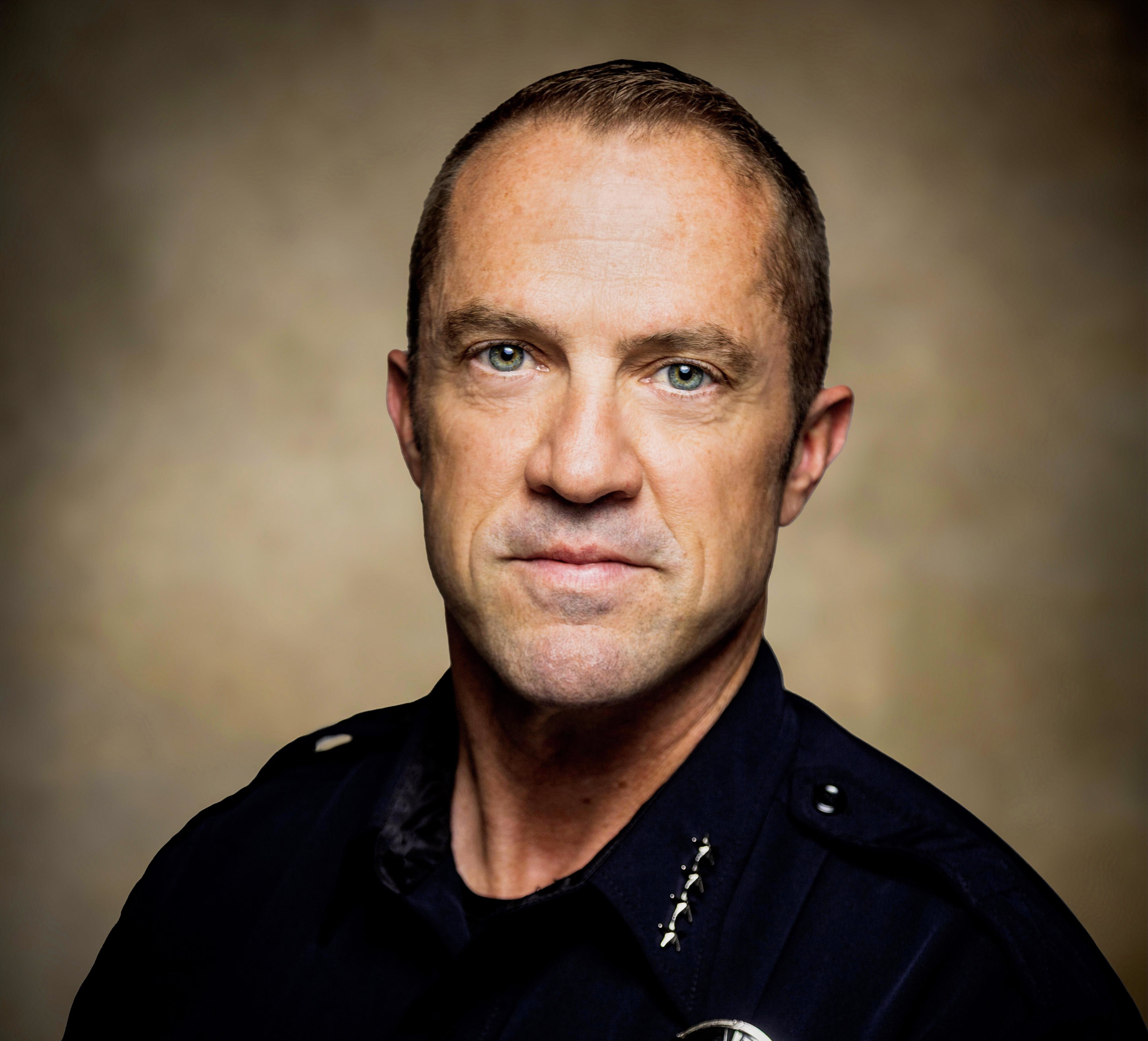
Police Chief/Author
Chief Matthew Thomas is the Police Chief of Florence, Arizona, and a 32-year veteran of the Pinal County Sheriff’s Office, where he retired as Chief Deputy in May 2925. He has led SWAT, narcotics, anti-smuggling, and major multi-agency operations targeting transnational cartels—and in 2022 became a best-selling author with Interceptors: The Untold Fight Against the Mexican Cartels.
A graduate of the FBI National Academy and a nationally recognized leader in intelligence-led policing, special operations, and innovative enforcement strategies, Chief Thomas is known for his no-nonsense leadership, deep community commitment, and passion for developing future law enforcement leaders. He’s an instructor, speaker, and trusted voice on border security, officer wellness, and modern policing.