Given 11 Months to Live: A Father’s Fight to Be There | Dale Atkinson

 Apple Podcasts
 Spotify
 YouTube
 RSS Feed
 Castro
 What happens to the way you see fatherhood when a doctor tells you that you may have less than a year to live?
Dale Atkinson was working 14 to 16-hour days, building his career and providing for his family when life changed fast. Within weeks, his partner underwent surgery for lung cancer, his mother passed away, and Dale was diagnosed with Stage IV esophageal cancer. He was told his cancer was inoperable and incurable, with a prognosis of roughly 11½ months with treatment.
Dale responded by becoming deeply involved in his own care, asking questions, researching his options, building a medical team, and refusing to become passive.
But this conversation became about fatherhood.
Dale talks openly about realizing that he knew what his children’s laughter sounded like through the wall because he was spending so much time working. He shares why 20 uninterrupted minutes with your kids can matter more than another hour at the office, why he schedules family time like an appointment, and how his diagnosis changed what success means to him.
We also talk about:
• The difference between providing for your family and being present with them
• Why waiting for life to “slow down” is a trap
• Giving your kids 20 minutes of completely undistracted attention
• Talking honestly with young children about hard things
• How Dale’s family turned cancer into “Dave” and chemotherapy into “superhero medicine”
• Teaching your children to ask questions and think for themselves
• Agency, self-advocacy, and standing your ground
• Why Dale says his sons became his reason to fight
• The beer he has promised to share with his son at 16
This conversation is a reminder every father needs:
Your fatherhood is their childhood.
CONNECT WITH DALE
The Life Organic:
https://thelifeorganic.com
LinkedIn:
https://www.linkedin.com/in/dale-j-atkinson
4 FIT FATHERHOOD
Resources, coaching & more:
https://stan.store/4fitfatherhood
Baseline Performance:
http://www.baselineperformancenow.com/
ZZZ Tape:
https://zzztape.com/discount/4fitfatherhood?ref=qmhrgitu
DISCLAIMER: This episode discusses Dale’s personal experience with cancer and medical treatment. It is shared for informational and storytelling purposes only and is not medical advice. Dale explicitly states that his personal approach was developed for his individual situation and should not be treated as a cancer treatment protocol. Speak with a qualified medical professional before making medical or treatment decisions.
00:00 Fatherhood Has No Time Zone
00:57 Three and a Half Weeks That Changed Everything
03:09 Turning Fear and Grief Into Action
08:07 What Dale Did After His Diagnosis
14:03 Becoming the CEO of Your Own Healthcare
21:20 Building His Personal Care Plan
25:17 What Dale Is NOT Claiming About His Results
27:59 Cancer Changed How Dale Sees Time
30:18 Your Fatherhood Is Their Childhood
31:29 The 20-Minute Rule for Fathers
35:25 Work, Passion and Family
42:29 Put Family Time on the Calendar
48:21 Telling His Young Sons About Cancer
54:28 “Superhero Medicine”
56:29 We’re Raising Future Adults
01:00:17 Agency and Self-Advocacy
01:03:03 “I Fought for Them”
01:07:20 Connect With Dale
Follow on Instagram
👉🏿 @4fitfatherhood
dale: beforehand, I was working 14, 16 hour days, five, six, sometimes seven days a week. I wasn't there for them enough. I knew what the sound of the giggle was like through a wall. my priorities very quickly switched to my partner and my children and making sure that they had good memories of me. what does any of that really matter when we're gone?
Rod Richard: All right. Welcome back to the Forfeit Fatherhood Podcast, a podcast for fathers by fathers, where we talk about the four pillars of fatherhood, which are faith, family, finance, and fitness. And as always, I'm always excited to have a guest with me, even more so when it's an international guest, right? Somebody from across the pond. And you know, I always say that fatherhood doesn't have a a tax bracket. It also doesn't have a time zone, right? It doesn't have a country of origin. Fatherhood is fatherhood no matter where you are. and no matter what your journey is, we kind of all arrive at the same place of fatherhood of not knowing what the heck we're doing and trying to figure it out. so today I have a guest with me. My guest is Dale. Dale, how you doing, brother?
dale: I'm good, thank you. And thank you so much for having me. It's an absolute pleasure to be on.
Rod Richard: Yeah, man. So look w for the guys who who aren't familiar, would you wanna tell them a little bit about yourself? Kinda give a a back backstory. Maybe your fatherhood origin story.
dale: Yeah, of course. So, well, I can't tell my origin story without telling the origin story of something else. So I spent 20 years working in finance. I sat on the board of multiple big entities. sat on my HSBCs, Alternative Investment Boards, et cetera, and then roll on to 2024. And first of all, my partner had a funny turn during the summer of 2024. They thought initially she'd had a heart attack, dragged her into hospital, and they found a lung cancer, a carcinoma in her upper right lung. So, roll forward another couple of months and 3rd of October 2024, they did a full lobectomy, removed the entire upper right lobe of her lung. She came home a couple of days later and then a few days after that, on our youngest little boy's first birthday, I then went in and had an endoscopy and unfortunately they found a rather large esophageal tumour. Roll forward another couple of days and before I got a full diagnosis, sadly on the Sunday night my mother died. And on the Monday morning, which is my eldest little boy's third birthday, we were then told that sadly his granny, who had nicknamed herself Granny Naughty because grandmothers like to have a bit of fun with these things, had sadly passed away. And then on the Thursday, that same week, I went in to meet my oncologist for the first time and was told, unfortunately, my cancer was inoperable, incurable, stage four esophageal adenocarcinoma. and my prognosis at that point in time was sub 12 months. They gave me 11 and a half months to live with treatment. Yeah, how's that for an origin story?
Rod Richard: Wow. Man, talk about a talk about a lot. Gee gee for screepers. And all of that happened in like all it all feels like with the way you said it, like it all happened at the same time. How
dale: three and a half weeks.
Rod Richard: how how did you 'cause I mean you're here now, right? It's it's av obviously past the eleven months, but w we'll we can talk about that. But like how did you manage and navigate that like in the moment, right? Because obviously you also have other responsibilities and other things kind of going on and life is still life. But then you're kinda hit with these these punches. I I I mean it's like a heavyweight boxing match and you d you stepped in with
dale: Yeah.
Rod Richard: no gloves.
dale: Well, I mean, to touch on the finance part of all of this. So I was also in the process of, I think in the process of starting my own business. I had already started my own business. I was in the process of signing a roughly 36 million pounds. So what about $45 million contract as well for a retail high street bank, which I had to shut down that week as well because of both of the diagnoses in my household and the surgery and everything else that was happening. So. It wasn't just a case of how do you deal with these things? It was how do you survive them? So for me, I decided instead of basically breaking down, that I would try and utilize the fear, the guilt, all the emotions I was going through. know, the, I'm missing the word I'm looking for here, the grieving for my mother, et cetera. I basically bundled all of that into one and the grieving for my career as well, because I could no longer go back to my career ever again. I bundled all of that into one and decided to use it as a force for good. So instead of breaking down and accepting what I was told and accepting that I was dying, I decided to use it as a starting point to go and research and to find out if there were other ways to survive.
Rod Richard: Man, I I listen, you you are a very strong gentleman. because any one of those things by itself, without a a compounding factor of another, could could crush somebody, right? Or could could could kinda completely derail whatever trajectory life was on. but but you took it and you use it as a almost fuel to the fire. Do you think wh where do you think that that kind of reserve or like that that strength came from? Like how did you I don't even know how you did it, but I'd I'd like to know.
dale: Well, first of all, that leads me down the fitness, you know, I've got to cover off all of the bases of the third one. So
Rod Richard: Yeah.
dale: I actually used to be a quite a good rugby player when I was a kid. You know, I played in the Bath reserves team. Bath is a premiership rugby team over here, a bit like the Premier League of football. But I was only about 12, 13, and I paid for their Academy teams. So a bit like you have, I don't know, when you go into do American football, you have college teams, et cetera. It's very similar
Rod Richard: Mm-hmm.
dale: to that. So I was a very good rugby player. And the one thing that taught me was when you break a finger, you keep going. know, no matter the pain you're going through, no matter what is happening at that moment in time, there is always another end to it. You can always push forward. You can always keep going no matter what. Atop that. I also spent, very weirdly, a fair bit of time working for and volunteering for and sat on the board of a very large mental health charity called the Befrienders Network. So, Befrienders Worldwide are the overarching charity that sit behind things like the Samaritans, et cetera. And having sat on their board, I was sat with a large amount of psychologists. And during COVID, because I was the only non-psychologist at that point on the board, I decided to go into a diploma in psychology and another one in cognitive behavioral therapy. So a lot of this sort of just very strangely worked out well for me and gave me the tools I needed to be able to look through the diagnosis and to be able to not let it break me and to keep forging forward. And then I was also very lucky on the other side of this that my skill set during my career also just happened to be the exact skill set I needed for this as well. And for a bit of context. So my career wasn't just in finance. I was in financial crime compliance and anti-money laundering. So my career had been spent essentially investigating money laundering problems across the globe. I had been tasked not long before my diagnosis, we had looking into a president of a foreign country on behalf of that country's reserve bank. The contract didn't end up going through in the end because of political reasons on their end. But I'd geared up a team, had, you know, all the information start to come through, we'd done all the planning for it, all this kind of stuff. And that was my life. I was a researcher, I was an investigator, I was somebody who didn't take no for an answer, and who used data to get where I needed to go. So it very strangely just happened to align in exactly my favor for what I was facing at that point.
Rod Richard: Yeah, I was gonna s I was gonna ask you how did you think that your career, but you just you just summed it up just there. I was gonna say I it seems like your career in finance and kind of risk management w would kind of prepare you to in some regards, right? It obviously doesn't prepare you for the like maybe the physical or the emotional portion of it, but you have a a certain skill
dale: Hold the shot.
Rod Richard: s yeah, the you have a certain skill set though that you can apply, you know, directly to your situation. What was like what was like the first the first thing you did? Like once once once obviously you gotta go into the doctor and get all the diagnosis and hear all the things that they say and you know, you you got that information now. You say you're a researcher. What what did what did you do after that?
dale: Well, to be very honest and candid, the first thing I did was open a bottle of wine. You know, I'd been sat there, I took my partner along despite the fact that she was only a couple of weeks out of her own lung surgery and still very much in recovery. We had two little boys at that time, one and three at home. We also had my in-laws over from the US, they're based in Texas at the moment, they're Mexican originally by background. They were over helping us through my partner's lung cancer journey. So they looked after the kids. My partner came with me to the oncology meeting. And yeah, well, the first thing we did was sit in the car, discuss what was going to happen next, talk about what happens if I die, what happens if this, can I write down all of the passwords for our Wi-Fi and for all of the appliances in the house. So the thing was the first question from my partner. Then it moved on to, okay, how does it work in terms of finances? And then it was open a bottle of wine and commiserate life essentially. About 48 hours after that, it was okay. Now that's over and done with. Now I've grieved the life that I had. What do I do next? And I very quickly started researching. And the thing that came out of it, especially through some of the mainstream media now, is things like Thomas Seyfried. I don't know if you've come across Dr. Thomas Seyfried. He's a researcher based at the University of Boston in the US, who looks at metabolism and how metabolism affects cancer. And I would like to say sort of a big shout out to people like Stephen Bartlett, who is the Diary of a CEO podcaster, who he bought on Thomas Seyfried. It was a very controversial interview at that point in time. He got in all sorts of trouble and he got fines all over the place for it, but he kept the interview up. And as part of my research, I came across it. And that very first little twig of information, I kind of went, actually, this makes a lot of sense. There's little things in this like... I went in for a PET scan, a PET CT scan essentially is where they pump your body full of a radioactive sugar, trace where the sugar goes because cancer likes sugar in a lot of instances. Not all by any means, but some instances. And in my instance, I had a glycolytic cancer as in one that liked glucose, that liked sugar. So a lot of what he said sort of twigged off these little bits in my head that I went, there's something to this actually. know, some of it doesn't apply, some of it's a bit hocus pocus, some of it's a bit this, a bit that. But in pretty much every major breakthrough in the entire history of science, it always starts off as a bit of hocus pocus, a bit of woo woo, a bit of witch doctory, a bit of all these sorts of things. And it's a case of having a little bit of faith in that person, having a faith in their research, and then having faith in yourself in order to be able to follow some of it through. And that's the first route I went down, was to start scratching the surface of these fringe bits of science, looking into... all sorts of weird and wonderful stuff from dog dewormers to horse medications to all the fun stuff you find on all these internet forums. Half of it is snake oil, half of it is not worth the idea and the thought of it. But in order to make sure there was no stone unturned, I had to look into them. I had to go and find the actual research. I had to look at what really makes a difference and what works from an actual science standpoint. And I took the point of view that Evidence-based medicine really means looking at the evidence for all options, not just looking at the standard of care, not just looking at chemotherapy, immunotherapy and radiotherapy, but really working out what was out there and why it was out there. And then that very quickly led me on to things like next generation sequencing. So I had the biopsy of my tumor, so the piece of my tumor taken, it was sent off to a lab through a company called Astron Health. and they actually did a full breakdown of the genetics of my cancer. That, then the output of, allowed me to look at which medications, both standard of care medications, so which, specifically which chemotherapies, which immunotherapies, et cetera, would work for my specific instance, as well as looking at supplements and looking at off-label medications. And when I say off-label, I mean things like aspirin is classed as an off-label medication. On the label, it is there for pain, Off label it is there to help reduce cancer proliferation. It's been known for many years to have many anti-cancer effects. It's published in multiple different places. It's got a phase three trial proving which, cetera, but its primary use is not for cancer, it's for pain. So that is classed as off label. And I came up with a very long list of off label medications, everything from metformin, a diabetes drug known to lower the levels of blood sugar, et cetera. one of the most widely profound drugs on earth. It has a trial that proves that it works against cancer and has roughly a 30 something percent increased survival rate overall. And I started to piece together these little bits and pieces of science and information that exist out there in the world that are proper proven pieces of medical science that have trials to back them are, you know, they are the sorts of things that our medical system is based on. It's just at this moment, they are not used within the standard medical system.
Rod Richard: Yeah, I was gonna say it sounds like you did a lot of the heavy lifting. What what maybe things are different over there that as opposed to are here. I feel like here you go to the doctor, they tell you their diagnosis, you might be lucky to get a second opinion. Or I mean you obviously can go get as many opinions as you want, but like it's kinda like this is what we do.
dale: Yeah, comes out of your pocket.
Rod Richard: Yeah, this is how we take care of it. That's it. Right? Like it sounds like you you took that and was like, All right, cool, I got that. Now I'm gonna do this, this, this, this, right? Like i it it was it is it any different there or were you actually kind of doing all of this stuff, you know, on your own without any any s you know, support from the healthcare system, I guess it should say.
dale: So I think that's a fantastic question, by the way. And I should carry out that with the fact of the healthcare system, the first thing they told me was that it was palliative care only. They told me that even with chemotherapy, they believed I would only have 11 and a half months. And I did fully accept chemotherapy and immunotherapy as part of my journey. And my initial aim, before I sort of answer your question properly, Rod, apologies, but my initial aim had been to try and increase the efficacy of those... modalities of the treatments that they were offering me. The initial idea was chemotherapy is hugely, hugely toxic to the body. It is a great tool in certain ways, but it is hugely toxic to the body. Now, I accepted chemo, but I didn't accept the first chemo they offered. I said no to it. I did the chemo sensitivity testing as part of this next generation sequencing. And I used that as my standpoint to go back to them and push back on the treatments they were offering because I felt there was a better one available. to actually answer your question, and apologies, I have to caveat that part first, but to actually answer your question. So I took all of my research, of which at that point I'd read through somewhere around five or 6,000 research papers, directly to my oncologist. And my oncologist's reaction when I said I wanted to look at adjunct therapies, first of all was, fantastic, yoga is great for you. And when I then said, no, no, no, I mean off-label medications, I mean looking at things like red light therapy, hyperbaric oxygen. you know, all of these bits and pieces, and she just froze in fear and went, no, no, no, no, no, no, no, no, no, no. Second after that, she went, if you go down that route, we may have to pull your care. And unfortunately, that was a running theme for the next couple of meetings with her, was every time I mentioned what I was doing, I was pretty much met with a blanket answer of do not do that. I was never met with science. I was never met with this is the reason why. I was met with... No, don't do that, you'll kill yourself. So for me, unfortunately, my oncologist was not on board. My oncologist did not support it in any way, shape or form. I had to actually go and find my own team. essentially, and the way I like to put it is, I had to become the CEO of my own healthcare. Every decision was mine. Every decision was for me to decide on. And I was the central point of the entire sort of treatment plan. And I used each individual part. So be it my naturopath, be it my integrator oncologist, who was a private oncologist I paid, or be it my NHS oncologist, being the National Health Service, our public health system here. They all essentially ended up feeders into me as, your CTO, your COO would be in a business. This was exactly the same, but it then fell on me as the CEO to make that decision and to decide which way we were actually going based on the information they provided me. So sorry, I hope that answered
Rod Richard: So you
dale: the question.
Rod Richard: No, it does, it does. It it sounds like things are similar 'cause I'm pretty sure you'd get the same pushback here from from doctors, right? They would they would say that you have to follow this. This is what we're gonna do and if you go outside of that you for liability reasons they would have to pull care because they would their fear is that later on down the line someone would come back and say, hey, you guys were responsible for his care and these things happened and whatever, right? So so things are similar in that regard. But what it was what sounds very different is it sounds like you assembled the Avengers. Like you you you did I mean like you you just listed two or three different oncologists. Like most of us aren't aren't o able to or going to do that. but I I mean again you
dale: I anybody's able to. I have to say, I think everybody's able to. So, I mean,
Rod Richard: Okay.
dale: I just shot out a bunch of emails. I shot out one to Dr. Carl Feldt, who's a US doctor. I shot out one to the Hope for Cancer Clinic down in Cancun in Mexico. I shot out one to Thomas Seyfried himself over in the University of Boston. I spoke to well over a hundred people, mainly US-based, to be honest with you, who all cover this space, who all do similar things, be it naturopathy, which is natural medicine. or be integrative oncology. And I think those people are out there. They do have online presences. You know, you've got lots of these people, Dr., I think it's Eric Burt, who now comes up all over the place. You've got biohackers in this space who can point you at doctors, et cetera. It is there. It is available for people to do. It just, takes 10 minutes with the research half the time.
Rod Richard: Yeah. Well let me pull that back then. Not not that people can't do it, but maybe maybe they feel like they can or maybe even even in me saying that made it seem like I can't do it. but like there's that kind of imposter syndrome or maybe just the kind of status quo was like you go to the doctor, you listen to what the doctor says. If you don't like it, maybe get in a second opinion. If that says the same as the first, then you that's just what you got. and people privil typically don't go outside of that in the way that you did. Which which kind of makes it abnormal, you know? I think I think a l like you even like even like you said with your first doctor, you did say, Okay, I'm gonna do the the chemotherapy, I'm just trying to find ways to make it make it better, right? Or or more efficient.
dale: Yeah, I think two things I should really point out there is one, partly my diagnosis was kind of the spurring point for that. When I was told there was literally nothing the system could do for me, that at most it could extend my life by a month or two. Even the immunotherapy they ended up giving me. So they gave me what in the US you guys call Catruder or Pembrolizumab. I had quite a low PDL1 score. one of the markers they used to see if it's going to be effective or not. and they actually thought it would only increase my life ever so slightly a month or two at maximum. So, a system essentially gave me permission to be a bit wild with these things because it had no options for me. And by giving me no options, it forced me into creating my own because, well, I'm an extremely stubborn human being and I'm a little bit rebellious by nature. I come from a family full of redheads and we all know they're crazy. So, for me, there wasn't another option than to fight this, to find another way through. And then I suppose the other sort of part of that is because I was suffering with so much grief, with so much other sort of pain going on at that point in time. You know, we also had a Great Dane puppy that we had to let go because I was in hospital. My partner was recovering from lung cancer surgery. She couldn't lift anything, even our children, let alone take a 70 plus kilo dog for a walk. And I wasn't here. I was hospitalized for weeks and weeks on end. So we had to take our dog back to... back to the breeder on the 7th of November. You know, all of this happened very, very quick time. So I had so much anger and so much grief that using that to fight against the system just seemed logical at that point in time because, you know, logic and anger don't really go very well together. And I had a lot of it built up. So who else do I fight but the system itself? So yeah, I wouldn't think a lot of people think to go this route, mainly because the system normally has answers. And normally there isn't enough frustration built up to just say, F this, I'm going to do this. But I had two little boys at home to
Rod Richard: Yeah. But you did.
dale: survive.
Rod Richard: Yeah, and so that I wanna I wanna I wanna get into that. Obviously we're we're past eleven months. So so we I wanna come to I wanna get to I guess we're kinda to kinda talk a little bit about time, but let's let's stay here for a second. So you got eleven months. Obviously we're past the eleven months at this point now. so so you you kind of took a a different path. What does that look like, in terms of I mean, 'cause we're here now, right? What does that look like in terms of going outside of the the typical healthcare system?
dale: So, well, where to start and what to focus on. So, I suppose to start with what that entails. So I brought on an integrative oncologist. We used my next generation sequencing in order to basically map out a plan of medications. I then, excuse me, excuse me, I then layered in a naturopath, who's a brilliant lady called Dr. Randa King, layered in the two of them together, having spoken to hundreds of people in this space because the two of them spoke my language. They were the sort of people who instead of going, this is what you need to do, it was, look, this is where we're starting from. You tell us what you want to do and we will jump on this ship with you. It was a, we will be part of your journey. You tell us what you need, not a do this because I said so. And I was fed up of do this because I said so. I had an oncologist in the NHS doing the do this because I said so. This is the fear I'm going to put you under and blah, blah, blah. So I needed people who were going to support me, who were going to hold me up. So stitching the two of them together, plus adding in next generation sequencing. I was also lucky to find a hyperbaric oxygen center just down the road from me run by a fantastic lady called Louise Williamson. Unfortunately, they've since closed down and she's now focusing on online stuff, but they were just down the road from me and we've become firm friends through it. I sort of stitched all of this together and in January, very roughly January, 2025, I started my full protocol. And that meant four to six, sometimes eight hours a day, either sat in a hyperbaric chamber for two hours and then having high dose vitamin C intravenously injected into me. And I should also mention my partner retrained as a phlebotomist as part of this journey as well so that she could cannulate me at home. And we had a really fantastic friend of ours called Joe, who happened to be a local nurse who oversaw her as well and jumped in when we needed to. So another lucky point for me. But we stitched all this together. I would sit in a hyperact chamber. I would sit in an infrared sauna. I would sit in front of a red light panel. I would sometimes box for an hour a day. I sat in my gym at the moment. I would do high dose vitamin C. I would take off label medications. I switched to a very low sugar, vegetarian keto diet. We monitored everything that went into my body, made sure I was extremely well hydrated, made sure I was getting a certain level of exercise, et cetera, et cetera, et cetera. And I essentially made this my entire life for the next nine or so months. And then from January, it took until my next scan was in March. And by that first scan after I'd started my protocol, I'd gone from a nearly 10 centimeter primary tumor with secondaries and with lymph nodes all lit up all over the place, about as bad a prognosis, about as bad a diagnosis as you can get, to suddenly my metastasis had all disappeared by March. within three months of starting my protocol. And my primary tumor had dropped by somewhere around 10 to 20, maybe in 30 % at that point. And then by the summer of 2025, I had no visible signs of cancer. Everything had vanished. I'd had no surgery, nothing else on top. I had had the chemotherapy and I had had the immunotherapy. And then atop that I'd had my own protocol. And by the end of the summer, so within nine months, there was suddenly no cancer.
Rod Richard: That is that is that is impressive. and I'm I'm assuming
dale: I should caveat the way I'm not suggesting my protocol solves anything. There is no single thing that actually made the heavy lifting there. It was the melting pot of all of it. And what worked for me was heavily based on my genetics and the next generation sequencing. So what I did won't work directly for anybody else and could even be dangerous for anybody else. So I'm not somebody who gives out my protocol. I'm not somebody who's trying to sell a protocol. I'm not saying my protocol is a cure for cancer in any way, shape or form. What I'm saying is I looked at the science, I built something that worked specifically for me in that specific instance, and that that route is available to other people. It may not work for everybody, it may not be possible for everybody, and every cancer has different hallmarks, different pathways, different things to it that make it impossible to know what things are gonna work in what exact situation. But there is a possibility it can work.
Rod Richard: Yeah. Yeah, I think I one, I'm I'm glad you said that. That's important to point out is that you're what you did is what worked for you. and and more than anything, you you bet on yourself and your ability to like lean into doing what was right for you. I'm assuming you're kind of some of that stuff you're still still doing. Is it is it
dale: Yeah, absolutely. So I've got a hyperbaric oxygen chamber in my spare room. I've built a garden cabin thing, which we have an infrared sauna. I've got weights benches in. I've got a red light panel sat here. I've got, here we go, I have a pulsed EMF neck brace that I use and all sorts of amazing things that I continue to this day. I've also got off-label medications I continue on. I've got a protocol I continue doing. Yeah, what I should also caveat here, by the way, was After I got the no visible disease last year, I, as we all do, decided to relapse everything. I decided to go and start eating chocolate again and have a few beers and do what we all do as human beings. Go, well, great, that's over and done with, let's move on. I'll go back to normal life now. Sadly, as of Christmas last year, the cancer started to come back again. It was back in a lymph node. Myosophagy or thickening came back, et cetera. So in January, I got those results and I jumped straight back onto my protocol and I am now back to no visible disease again, very thankfully. Now I should also caveat, no visible disease is not no evidence of disease, which is what they would class as kind of like remission over here. So close to say, well, give me as an incurable cancer patient. I am not yet no evidence of disease. I've got to wait for a PET scan to confirm that, but I am no visible diseases and I have no visible tumor, no visible lymph nodes involved, et cetera.
Rod Richard: Congratulations, man. I'm I'm glad I'm glad it all worked and I'm glad it's still working. I I mentioned this earlier because we've talked we kinda were talking about the time frame or the timeline. When you're when you're faced with with such a serious diagnosis that has a a timeline or a quote quote unquote end time, how does your relationship with time change? Because you're spending no, you know, once you decided you w the pathway you're gonna take, you're taking hours a day of leaning into that.
dale: Cough
Rod Richard: how does that affect the rest of your life, I guess?
dale: Well, it makes you appreciate life in a way that you never have done before. So for me, it was especially around my kids. So beforehand, I was working 14, 16 hour days, five, six, sometimes seven days a week. I wasn't there for them enough. I knew what the sound of the giggle was like through a wall. I didn't spend enough time actually playing with them. I was the dad who kind of stepped back and let my partner put the kids to bed. I wasn't there for a lot of their younger childhood, especially for my elder little boy. And this made me reevaluate the entirety of what matters and what my priorities are. So now I will never go back to working 16 hour days. I will never go back to working seven days a week. I will never throw myself into that in any way, shape or form. I no longer have the need for money in the same way I did. I no longer have the want for success and a great job title and all these things that I thought I wanted before. What this has really done is instead of refocusing time, It's refocused my priorities around how I use that time. And my priorities very quickly switched to my partner and my children and making sure that they had good memories of me. Making sure that when I'm gone, they can turn around and say, yeah, he was a good dad. He spent time with us. He made me laugh. He was here. He was present. He was able to be the dad I needed, not he was in his office and he made lots of money and he had a sports car because in reality, what does any of that really matter when we're gone?
Rod Richard: Yeah, it doesn't it doesn't matter at all. nobody nobody really remembers it and it's if they do, it's not at the top of the list of things that they say. Right? They
dale: Unless you're Elon Musk.
Rod Richard: right. so I how old are your your kids?
dale: So they're now two and four.
Rod Richard: Okay. All right. so I I I d wanted to kinda ask you this because I w Father's Day here just passed and kind of was talking and conversation
dale: Same here.
Rod Richard: with some fathers about just the idea of when we're young and our kids are young, we want to try to go out and amass as much wealth or do as many things as we can. Because typically around that we're we're still kind of young, right? And we're still trying to find our footing or trying to build our career or trying to build our business. And a lot of guys kinda get into the mindset of saying maybe I'll spend more time with the kids when things slow. slow down. and I always caution guys that what time doesn't it doesn't really slow down. Things continue to happen. And if you have that mindset then it just takes longer before you actually spend that time. And what happens is you sacrifice you sacrifice the experiences with your kids. The the big reminder is that your fatherhood is their childhood and everybody remembers their childhood. You also want them to remember you as a part of it. what advice would you have to guys who kind of have that idea of, you know, waiting until things slow down?
dale: First, would say that was very well said Rod. That's exactly the mindset here. And that's a very important point. What I would say to those guys out there who are listening to this and thinking, it's fine, I'll just get the career out of the way first, et cetera, there is always something. No matter what, there is always, always a next thing in the way. And it's always, I'll do it after this. I'll do it after I bought the house. I'll do it after we've extended the house. I'll do it when we're this. I'll do it when I've made partner. I'll do it, I'll do it, I'll do it. There is always something in the way unless you make that time now. And every future you can possibly imagine can be built around time for your family. And in reality, to be present, all you really need is 20 minutes a day of uninterrupted time with your kids. To take that 20 minutes to put the phone away completely, to put every distraction away completely and spend 20 minutes sat on the floor or sat at the table doing a jigsaw puzzle or just doing something with them. It doesn't genuinely matter what you don't need to spend money and go somewhere. You don't need to whatever. You just need to spend time with them and they will remember that presence far more than they remember the presence you gave them or the places you took them. They will remember you being there. They will remember the emotional availability. They will remember that present human being who is their support, their rock, their everything. And little kids really do focus their entire world around their parents, especially when they're little, little. Up until the ages where they're going to school properly, it's sort of six, five or six, as it is over here. You are their everything. So the more time you put in then, the more money you have in the bank in terms of emotional availability of your children when they're older. So spend it now and live it.
Rod Richard: I I think that I we could we could button up the podcast with that. Like that is the
dale: Hahaha.
Rod Richard: I think that's probably one of the biggest takeaways because we we we get into fatherhood and for most of us at bare minimum we've been told we've gotta protect and provide. Right. And and we don't really get a whole lot more than that. That's just kind of the idea. And so, you know, provision for most of us is we gotta make sure we take care of the bills, food in their stomachs, clothes on their backs, roof over the head, right? And then, you know, we we do that and we feel like we're doing a great job, but we also have this pull on our heart of like, Man, I really know I need to be there, right? In our mind we know we need to go make money, but in our heart we know we need to be there and we kinda have this constant battle. And I I appreciate you saying all that you just did because it it really like it points back to the heart. It's like, yeah, y you can go make a lot of money. You can have a sports car and you can have a a big house and some fancy things, but at the end of the day, the best currency of your time is gonna be spent with your children. Or with your family, right? Creating memories not only for them but for yourself. Because when you do come to the end of your road at some point and you're you're kind of sat there reflecting on life, you're gonna be thinking about all the same things. You're not gonna be thinking about the the deal that you could have made or, you know, the car that you could have bought. You're gonna be focused on, you know, the the their first steps. you know, the first time they scored a goal and that you guys celebrate it together or like just the little things. You teaching them how to drive a car. is going to be one of those things that you look back at and you're like, those are the memories that you want. No one very few people sit on their their deathbed and go, man, I wish I would have made more money. Or, you know, I wish I would have spent more time at work. It's like that doesn't happen. I don't think we realize that because we're in the middle of the storm. Right. And so it's hard
dale: Yeah.
Rod Richard: for us to see on the outside of it on what or what's on the other side of it.
dale: I would say for me, there is a place for passion and work still. So I mean, I've gone off and I've used this in order to essentially rework my skill set into something that I can actually use to help people. I've started a charity alongside a lady called Jane McClelland, who's I think the top selling cancer author on earth. She's written a book called How to Starve Your Cancer. We've set up a charity in order to try and push for systemic change in the UK government initially, and then we're going to make it worldwide and push for change across all governments worldwide in terms of how they look at and use healthcare and what healthcare encompasses, mainly to make available adjunct therapies that should be available anyway. I've also started a business auditing healthcare companies for patient trust. And I've used my experience plus my skillset from within the finance world to do that. And myself and my business partner, who is a lady who has MS, we've experienced both sides of this. We've been on the project management, we've been on the finance side. We've looked at trust from within a business for things like fraud and money laundering and how that impacts a business on the financial level. So now we're taking that skill set and looking at it from a personal level, having experienced drops in trust, have experienced failures in healthcare systems, et cetera. So I think there is still a place for hard work. There is still a place for passion and for putting yourself into something, but it needs to be something you believe in more than anything else. Just putting food on the table in this day and age. is amazing in its own right, but being able to do it in a way that really pushes passion, that makes time available for other things, that really pushes everything in life at once is I think the secret to everything. And for those listening out there who say, yeah, that's great, it's a pipe dream, it's really not. It just takes that spark inside of you. It takes that will to do it. And it does take a bit of hard work and making things work and failing a lot to do that. know, trying to make a business work is never fun and easy. Trying to change career is never fun and easy. Trying to make money out of something that doesn't always work is never easy. Having to start again for the fifth time is never easy. Having to find that 20 minutes for your kids, as we talked about a minute ago, having to find that 20 minutes for your kids when you're tired, you're stressed, you're fed up, it's never easy. but that 20 minutes is the most important of your day. And second after that, how you show up at work and the effort you put in and the passion you have is second to it. So I agree with you in one way, but I also think you do need to push hard in life. You do need to make the availability of things. You do need to try and push that passion because when you get to that death bed, and believe me, I've sat there in the palliative ward. I've been told I was half an hour, an hour from death more than once now. When you sit there, Yes, your kids and your life and how much you put into them is the first thing that comes to your mind. Absolutely. Hearing them laugh, their first steps, those things are the very first thing you think of. But second is, well, what did it do with my time? Did I go and sit and watch Netflix? Great, I enjoyed Game of Thrones. It was fantastic. But in reality, if I'd taken that time instead of sitting and watching television, learning, becoming the person, becoming the dad that I wanted to be. becoming the CEO, the visionary, the leader, learning the things that really mattered to me in life. Instead of talking about being a great business person, go and learn how to be. Stop watching Netflix. Stop faffing around and going to the pub with your friends five nights a week. Stop pretending that these things are just passing the time and making you happy. Go and become the person you want to be. Put the effort and time into being the person you think your future self or your past self would be proud of. You know, look back at how you were at five years old and become the person the five-year-old you would want to be in 20, 30, 40 years time. Don't keep talking about it. Don't keep pretending that you can't be. Go and do something about it.
Rod Richard: Yeah, I'm I'm feeling I'm feeling convicted now. I feel like
dale: Hahaha.
Rod Richard: I I gotta get up and go do some stuff. no, I that that's really powerful. because you're right, it is it isn't just okay, I know my kids are and my family are important, so I'm only gonna do that, right? There's still a part of you that needs to be nourished in that in another way too. Like there is still some passion and the career or the the the work that you wanna do and you still have to give yourself that, right? You still have to be able to do that. But it but it's always important to have the other part of it, right? The human nurture part of it. because I think the two whether whether you realize it or not, the two I feel like I do my best work in any of my businesses or any of my jobs when my family life is great. Right? When when the kids are happy and me and my wife are vibing and everything is great, man, I'm crushing it at work. Right? When it's crazy here, I'm like, man. I'm t I suck. Like I'm a I'm a terrible boss. I'm a terrible employee. My business is slacking. I'm just trying to find a way to survive because the thing that's hanging on me the most is the family. So I've learned, much like my health, right? Is if if I'm in good health, the rest of my day is is like great. I get up, I get my workout in, I I get do my cardio, I you know, I start, I get get my walk I get my morning routine and it and I knock it out, the rest of the day seems to just continue to go well. Similarly, w when my family life is great, my kids are happy, my wife is happy, our relationships are are firing all on all cylinders. Business just seems easy. It was just like a good day today. Like it was no no issues and the issues that came up, we we you know we worked through them and we put out the fires. It was no big deal. Like it it's amazing how the two things work together when we let it, right? 'Cause I'll I one of the things I I tell guys that I work with that that have overall issue is is what we call work life harmony, right? Is is we're always trying to find balance. And people say work life balance, work life balance. There's no balance in work and life. The two things they're not equal. there's hard to balance the two. What you can have is harmony, right? You can have
dale: Absolutely.
Rod Richard: just like a like a I was I use this example all the time, a barbershop quartet, right? You've got you've got four guys who sing amazingly. When they sing together, each one has an opportunity to shine at different times. Sometimes there's a compliment, sometimes there's a solo. Sometimes it's just background sound, like they all are working together. No one is more important than the other. they all work together in unison because there isn't work life, it's just life. and and when we are forcing those two to compete, then that's when we have problems. so I'm I'm glad
dale: Absolutely.
Rod Richard: you s you said what you said because it it you know, coming from me, I say it all the time, right? But it's nice to hear somebody else say it and say it in a different way.
dale: Yeah, I think that's a really well put Rod. There's not much more I can say to that. I completely and utterly
Rod Richard: Yeah.
dale: agree with you. I mean, if anybody's stuck for where to start on it, if anybody is, you know, struggling with work life balance, I think the easiest thing I can probably point to and the best bit of advice I can give to people is exactly the same as you would schedule your workout in, exactly the same as you go and see your PT, schedule your family life in the same. Put in 20 minutes, half an hour every single day at a time that suits your family. in exactly the same way you would do work out and schedule it around that. Work will, you know, exactly as you said, work is a balance with that, not against it.
Rod Richard: Yeah, listen, I I say what you just said, I say, but you said it with a much cooler accent. so hopefully it it lands because yeah, you have to schedule it. If it if it's not, what is it? If it's not like innate, like if it just doesn't happen, then you gotta be intentional. Right? You have to put it on the calendar. And
dale: Absolutely.
Rod Richard: it at first it's gonna feel weird to have your your your phone alert you that you have playtime with your kids in twenty minutes. But once you start playing and you get into it, it's like, man, I'm so looking forward to it. I can't wait till my phone buzzes and says it's family time. and and the other thing about it is is when you put it on a calendar or when you schedule it, it gets out of your head and it becomes real. Right? It's it's not something you're thinking about anymore. So you can focus at the task at hand. And then when it's time, you can focus on that because that's exactly what you have that time scheduled for. I think everybody gets more out of it. I think it gets done. Like you said, just like you schedule a an appointment with your doctor, once it's on the calendar, you don't miss it. You don't negotiate with the calendar and hey doc can we go at this time or you know, I got this meeting that's running over, so I'm not gonna you show up and you're there because that's the time that that that you've allotted for it and they're expecting you to be there, so you better be there. It's the same for your family.
dale: and it takes six weeks to build a habit. That's it. You only need to schedule it for the first six weeks and it will become a habit. And after that, you will want to do it every time. You will find
Rod Richard: Yeah.
dale: so much love and happiness in it, like you would not believe. And it's really hard to describe to anyone who hasn't tried it. But yeah, exactly as you said, it feels so weird the first time you do it and you go, okay, kids, it's seven o'clock. It's time for daddy to spend 20 minutes with you. But... a of weeks later, you will be literally leaping out of your chair going, yeah, this is my favorite part of the day. And your kids will automatically warm to it and it will become such a warming, amazing thing. And everything in your life will feel better for it. Because as you've said earlier, Rod, as soon as everything's in harmony, as soon as you find balance in these things, and the happier your family life is, the more sorted your brain is. And to use an Elon Musk thing, as I've already mentioned him today, you know, it's signal versus noise. You have a lot of noise when things are in disbalance and chaos. There is a lot of things going in your head. You are still thinking about the argument you had with your wife two hours ago. You're still thinking whether your kid went to school upset. You're still thinking all these things are going on and your brain isn't focusing on work. It isn't focusing on what it needs to do. If you primarily focus on going and making sure that 20 minutes is dealt with, on doing your workout, on fitting all those bits in, if that becomes your focus, you don't have to think about them all otherwise. You don't have to spend the extra time and brain power doing it. It's just an automatic reaction. It takes it off of your plate. It makes it easier to do. It makes you stick by it far more than you would otherwise. And it slowly very, well, I say slowly, it very quickly actually becomes habit and it very quickly becomes part of your day to day. And it very quickly builds the happiness in your whole household, which then gives you even more fuel to fight and to drive and to be successful with.
Rod Richard: Yeah, yeah, I I agree. I agree. we're speaking the same language here. and and and you know what's funny about it is is after that, you know, after the habit is formed, you start to kind of crave it. I think is probably the best way to say it. It's like, I know I got 20 minutes scheduled later, but I just had this meeting in early. I can sneak in five minutes here, like l you know what I mean? It's like, hey, hey, you
dale: yeah.
Rod Richard: know, you you crack open the office door and you're like, hey, where are they at? Like you're ready to go. whereas before it was like Yeah, like
dale: and he's gonna build a Lego spaceship today.
Rod Richard: before you get to that point though, it's like the meeting ends early and then you try to find other work or other things you can do to fill that space. Whereas once it's become a habit and a thing that you do, it's like, this meeting just ended early. Let me see if my wife is out. Maybe we can we can have a little a little coffee together or just just catch up, a little conversation. Like you start to find things that build that that build that ship for you. Right, it's is is
dale: and you start to realize everything becomes stronger for it.
Rod Richard: Yeah, yeah. Right? Like that extra fifteen minutes you might have spent doing work or sending the email, it doesn't compare. And after you finish spending that little bit of time with the kids, the email just flows. Like you just it's just you know, it's just you're just smooth with it, you know? man. It's it's so good. Okay. I I' kind of kind of talking about, you know, the relationship with your kids, relationship with your family. In in all that's happened in in this in this last few years, what it what is is maybe something that you hope your kids because they're young, right? And so they they they kind of see what's happening, but maybe aren't grasping it fully yet. but they'll at some point they'll they're you're gonna have these conversations with them, right? We're gonna kinda talk about it. They're gonna see you kind of doing your routine and they're gonna ask questions. What is it that maybe you want them to learn from the way you've handled this chapter of your life?
dale: So first of all, I would say we've been extremely honest with our kids. Although they were very young, we didn't want to hide it. We have a policy of complete and utter honesty in our household. So the second I was diagnosed, within 24 hours, we sat down, especially my eldest. He was only three at that point in time, but very bright. So we sat him down and we said, look, this is what's happening. Daddy is unwell. Daddy is going to fight this, but he might not be around for very long. And we gave him an opportunity to... to ask questions and we have this entire way along. And that ended up with my son deciding, sorry, excuse me. with my son first of all deciding he wanted to name my cancer because it felt less threatening because giving it a name made it something he could talk about and it made
Rod Richard: Mm-hmm.
dale: it just more acceptable for him. So initially he came up with two choices. He came up with Superjet Blaze or Dave and being that who doesn't know a Dave who turns up to the party late and is a pain in the bum and you just want to get rid of, you know, who doesn't know a Dave who overstays his welcome and is just a pain. We all do at some point in our lives. So Dave became so fitting and so apt that it became just a normal thing in our household. Now we go out to dinner and if I eat something that hurts me, my son will go, daddy, is that Dave hurting you? I wish Dave would go away. And, you know, when I go for treatment or go for a scan, he asked me actively, has Dave grown? Is Dave smaller? Is Dave bigger? You know, how's Dave feeling today? What's Dave doing? Can you tell me what the doctor said about Dave? All this kind of stuff. It just made it so acceptable for him to talk about. And on top of that, because we had my mother die and because so much happened all at once, he also had lots of open questions about death. And we have talked him about what happens if daddy dies, that daddy still loves him, that I've left behind letters for them and all this kind of stuff. And we were very, very open about it to the point that we actually, my little boys are at nursery or kindergarten, as you guys call it in the US. And the other day they were asking the kids, you know, what does your daddy do? What does he do for work, et cetera? And my little boy, apparently completely deadpan, turned around and said, well, unfortunately, my daddy's been quite unwell. Sometimes he's bed bound and he can't play with me. And that makes me a little bit upset. But I know my daddy is fighting against Dave and I know that he will win. And that makes me so happy. And that's what my daddy does. My daddy fights against Dave, his cancer, and he is winning. And his teacher felt so like lump in her throat about this. that she sought me and my partner out after nursery and came and told us all about it. And yeah, that to me is everything. We have been open, we have been honest, our kids accept and understand everything about the cancer journey in all of its horribleness and everything else, to the point where they have become open to talking about it to other people, where they're not completely dragged down by it and hurt by it and broken by it as some people and kids and everyone is along this sort of a journey. And that to me has been one of the biggest successes of this for me, has been that my kids feel comfortable about the experience they've had. They're not hurt by it. They're not affected and sad for it. That it has just become a normal part of their existence that they can cope with and understand. Now, over time, as they begin to understand more, we will of course open up the conversation more. And I hope by me doing, you know, talks like this, podcasts, I get on stage and talk about my diagnosis and what I'm doing with life and pushing for change at the institutional level, along with my charity, et cetera. I hope that will give me the better tools in order to be able to describe it to my kids in a way that they will understand, that they can cope with and deal with, and that will allow them to have the tools to deal with problems in their life. And then in terms of your question about what I hope it teaches them, I hope it teaches them that there is nothing so big that it can't be broken. There is nothing so big that it has to overtake everything and that there is a way to solve every problem in their lives. Because that's essentially what we treated this as, as a project management problem to solve. We sat down, pulled together the pieces, created a plan to beat it, put in place that plan, and then just effectively kept checkpoints until it was over and done with. You know, in the same way I said I was the CEO of my own health, I was the project manager, the program director, all of these things rolled into a CEO seat. made all those executive decisions on a what is essentially became a project for us. And I hope my kids see that and see what they can do with what I have built. And I mean, in terms of the mentality that I have built, and I hope that that has been fostered in them, that there is nothing that they can't do in life.
Rod Richard: Man, it listen, it I'm I'm glad you kinda continued on after after you the story about your son because my allergies started to started to kick up a little bit. Like a little little man, that you know, that that has to that has to feel good, you know, being able to have those conversations, being able to kind of I think mm maybe even clear the air, you know, because if you're holding on to it yourself and you can't share that with them and you know 'cause I know I would be thinking about it. You know, I even now, like I'm I'm pretty healthy. I go to the doctor, get checked out a couple of times a year, make sure I'm all right, eat healthy, work out, do all the things I'm supposed to do. But I still have somewhere like a a fear of like what happens if I go before I'm supposed to.
dale: Don't we all?
Rod Richard: You know what I mean? Like and and how are they gonna deal with that? How are they gonna handle that? Wha what what what state of of I don't know, emotion what emotional state are they gonna be in? But I think being able to have the conversation, being being presented with, as you say, a problem to solve, and then being able to have the conversation around the problem and share that with them, kind of I mean no one's ever prepared, but at least you know that you've you've given them all that you could on your end. to deal with what may what may happen. regardless of of
dale: you
Rod Richard: what we're what we're doing, you know?
dale: Sorry, Rod, I should also carry out that we did have to break it down into ways they could understand as well. And with
Rod Richard: Course, of course.
dale: that, you know, we called things like chemotherapy, we told them what it was and what it did. And we told them it was, you know, superhero medicine was the closest thing we could find because they're into superheroes. And, know, as a result of that, and I'm going to put probably another lump in your throat here, things like my little boy, they do a, you buy them a ticket and they go and get to pick a Christmas present at Christmas from Santa Claus in their school. And then the... the school wrap it up for them and send them home with it. My little boy went and picked a Superman aftershave set because it had Superman on the front. He bought it home and he had kept this completely quiet and he keeps nothing quiet. He is a foghorn about everything. He's four years old, you know, can't shut him up if you tried. But for about six weeks, he managed to complete this so contained and so quiet. And as I was unwrapping it before he'd even seen it, he said, daddy. I got you superhero medicine. I just hope that it helps to beat Dave. And I opened it and it was this gift set and it's just, you know, if I hadn't have sat and spent the time telling him about everything, if I hadn't have been open with him, he wouldn't have become the amazing emotional human being that he had. And kids, they absorb everything. They know when you're not telling them the whole truth. They know when there's things going on behind the scenes and it affects them. So. If there's anybody out there deciding whether to tell their kids about a diagnosis or a problem that will affect them, I would say absolutely do. Whether it's a divorce, whether it's a terminal cancer diagnosis, whether it's a financial issue, et cetera. If it's going to affect them, try to be honest with them. Find a vernacular, find a way that it works in their world that you can explain it to them that will make sense to them. But tell them, always, always tell them they are incredibly smart and kids just... They soak up everything.
Rod Richard: Yeah, kids are remarkably resilient. and we don't give them enough credit for it. And we don't give them enough credit for how much they understand. Given the context, right? How much they understand. Like we we just assume their kids, they don't get it, they're not ready for it, they don't they wouldn't understand, but there's a lot that they actually do get. And there's a lot that they can in in their own experience create context around, and and and have an understanding for themselves that that I think we That they deserve, you know? because I I have to remind myself all this all the time. I'm not raising kids, I'm I'm raising adults, right? Because ev eventually that's
dale: Yep.
Rod Richard: the goal is for my children to be model citizens, to be great adults, right? And so I have to start somewhere teaching them that adulthood and shielding them from everything or not sharing things with them doesn't really do that, right? It kind of it prepares them to go out into a world completely naive of what what may really happen and things that they may actually face. So it is really, really important to have those conversations. It doesn't mean that they're comfortable. it doesn't mean that you're gonna have all the right words. or that you may not have to do a redo on a conversation 'cause maybe you said something that didn't merely flan the way you wanted to. Or that you're not
dale: all the time.
Rod Richard: gonna yeah, or that you're not gonna have to continue to have the conversation. I think a lot of us shy away from the conversation one because we don't want to have the initial one. But two, because we know it's a lengthy conversation that's gonna have to continue to happen and there's going to be things that come up that we have to go back in and have uncomfortable conversation again. And for most of us we want to have peace and we w we don't want to have confrontation and we don't wanna have uncomfortable conversations. But the reality is as a leader, you kinda have to, you know. You it's kinda your job. It's kinda your duty. Yeah.
dale: And just think, if you don't encourage your kids to ask questions now, the adults they become won't ask questions and will always do as they're told, no matter how bad, no matter what that is. And that to me is one scary future. If you've just got obedience blindly above all else because it's uncomfortable to talk about things, because that's what they were taught as children, well, what sort of life is that? What sort of humanity is that? What sort of future is that for us? You know, it's the same as they talk about you have to discipline kids to be kind. I don't mean take an iron rod to them or a belt to them or anything along those lines, but you have to set clear boundaries. You have to say no means no. You have to tell them that if they overstep this mark, there will be consequences. know, kids need that as much as they need open conversations. They need to know where those lines sit. They need to know basically what real life is like, but at a scaled down version where they can fail at it. If they ask a silly question, you as a parent aren't going to rip their head off like a boss might in future. But if you give them the space to ask a silly question, they work out what silly questions are. They work out when something makes sense. They work out how to do things in a way that they can understand. They work out how to ask the right question to get the answer they want. And unless you give them the space to do that, unless you give them the, you know, a bit like bowling, unless you give them the guardrails in which to practice, they will never get better at it. They will never become those model citizens, as you pointed out. So yeah, I could not agree with you more.
Rod Richard: Alright, so if if if every father listening could could hear 'cause we talked about the lessons maybe your your kids could learn from you, then I now unless it's kinda shifted now, if if every father listening could could maybe learn or hear one lesson that you've learned about time, about health, about family, about life overall, what would you want them to remember after this conversation ends?
dale: So. It's a bit of a difficult one to answer. I think there's sort
Rod Richard: It's a lot. Yeah.
dale: of two things rolled into one. One is that agency honestly means more than most people will ever think. And by agency, I mean having to up and go to do something about it. When you want to ask a question, do it. Stand your ground, be the pain in the bum patient, be the difficult person in the room, ask the questions that are in your mind, no matter how silly or crazy or whatever they are. because first of all, you will feel better for it. You will also be more informed for it and you will, in most cases, get a much better outcome for it. And then the second side is, I suppose, hand in hand with that is self-advocacy. Always stand up for yourself. If something doesn't feel right, speak out. If something doesn't sit right with you, no matter what the context, be it healthcare, be it life, be it anything at all, stand up for yourself. Stand up for other people if you see them being done wrong by and make sure that you first of all stand that ground in a way that you will look back on and feel proud of and second of all stand that ground no matter what.
Rod Richard: I like that. I like that. Cause it I mean it extends even beyond just the healthcare part of it, right? If there is something as as a leader of your family, you know, we have to have we have to have and set boundaries. we have to believe in something and stand on it. We have to be curious. I think I think curiosity helps build relationships. I think it's really important to be curious with your kids, to be curious with your spouse because everyone is growing and changing and if you're not curious you kind of put them in a box and expect them to be a certain way without allowing for For growth. so I
dale: and you get left behind.
Rod Richard: yeah, exactly, exactly. So asking questions, finding answers, when something comes up, be interested in the things that they're interested in. Like all those things are super important. this is this is maybe my last question, depending on how this goes.
dale: You
Rod Richard: because you might you might pull me into another one. If somet so I just I I ask this all the time, but it's I'm asking it now because it's it's it's something that I think is really important. You've shared a message, you know, for fathers, you know, things one thing that you want them to learn. if, you know, years from now, your kids are two and four. They're not listening to podcasts right now. But years from now, they're listening to podcasts. Or maybe they are. Maybe there's like a kid podcast that's happening that's that's funny or whatever, you know, like a blue E podcast or something. but but years down the line, they they you know they hop on whatever podcast platform is still around at that time and they go, I wonder what dad was talking about. What is one thing you want them to hear?
dale: Well, I think that relates back to the last answer in terms of self advocacy and agency. I want them to know that they are capable of absolutely anything. I want them to know that no matter what, I will always, always, always love them. You know, I will always be proud of who they are no matter what they do in life. Be that good or bad, I will still love them and care for them and be there for them. And I want them to know that I fought for them, you know. They are my reason to have pushed past this. They're the reason I did 18 hour days buried in research papers. They're the reason I openly fought my doctors. They're the reason I found this alternative path because I don't know about you, but most men out there, we don't care that much about ourselves. We don't spend enough time worrying about us. We exist to serve other people. We exist to be the father, to provide, to help other people. We care more about other people than we do ourselves. And my kids were that. They were my reason for everything. They were the reason I'm still here. And to be very open and honest, at various points along this journey, I considered ending this because I was in so much pain. I was in such a horrible position. I was told I wouldn't get better. You know, I had hospice nurses, nurses, I can't say the two of those together, hospice nurses knocking on my door from the local hospice telling me that I had to book a bed for like two months time. They told me that I was in a position where I had to have a bed and that I needed to get on and start moving my stuff into a hospice now. I had all those conversations and it leaves you thinking, well, would I be better off ending it? Would I be better off just walking away from my life at a position where I'm not the dying patient looking frail in bed? Would I be better having a big car accident by accident in order for my kids to remember me as a strong... father as the person I want to be remembered as, but I chose instead to fuel myself through them. I chose to live for them. I chose to fight for them. And for me, that was the only option at that point. As soon as I went, actually, I want to live for this. I want to, and my little boy used to say this all the time, he wants to have a beer with me when he's 16 years old. And it became a whole thing. And I decided the second he started saying that, that I had to live until he was 16 to have that beer with him. You know, it's not legal to drink until you're 18 over here, 21 in the US in most states, but I will have a beer with my son when he's 16 because that's what we agreed on and that's what I will do no matter what and I will survive and I will be here for that no matter what the doctors tell me, no matter what the cancer tells me, I will make sure I do. And finding that North Star, finding that drive, finding that thing to survive for... which was them, will stick with me forever. And I want them to know that and I want them to hear that.
Rod Richard: Yeah, I don't I don't have any other questions after that, man. I think that was that was
dale: Hahaha.
Rod Richard: rock solid. yeah, have the have the beer at sixteen. Yeah. Forget about the rules, right? Like you you you guys have made that that that pact and for sure. Sixteen and have a have a have a cold one and enjoy it. listen, there
dale: Despite the fact I don't really drink anymore either.
Rod Richard: It it won once once w that time matters, right? That that is the time when you should. Dale, listen, I I I really appreciate you taking the time to sit down with me. I I kind of had a little idea of the story, but not the full thing. Like it was that was heavy. you had a lot going on. You have you have persevered. You you took life into your own you took the bull by the horns as we would say over here. and you you really have crafted for yourself a a different path than than most of us would have taken. so I commend you on that. I thank you for sharing your story. I thank you for sharing your time. If guys are wanting to reach out to you, maybe get more information, or or just to say thank you or maybe give you a virtual high five, what is the best way for them to do that?
dale: Yeah, so a couple of different places. me. First of all, I've got a blog called the life organic.com. You can find me on there. My email address is up on there and I post a lot about my journey on there as well. and tips and research that I've done too, for anyone who's interested. And then in terms of socials, I mainly live on LinkedIn. I was on Facebook for a while, but I, became a lot of hassle with lots of spam and all sorts. So unfortunately I've cut my Facebook and I now live on LinkedIn and my handle on there is Dale J Atkinson. post lots about all sorts on there if anyone wants to find me.
Rod Richard: Awesome, awesome. All right, fellas, you got that. make sure you check out the website and make sure you go on LinkedIn and follow outside of this this episode and this podcast, I also thank you for all the other work you're doing around cancer, around research, around health care and patient trust. I think it's really important work that a lot of us it's not even in our our our our atmosphere. We're not even thinking about. You know, like it we we we have so many other things that are going on, but like the work that you're doing is extremely important. So I definitely wanna thank you for that. I really aga
dale: And it's one of those that it doesn't matter until it really matters.
Rod Richard: Yeah, yeah, exactly, exactly. They always say you don't ha you don't have you have no problems until you have a health problem. And then it's the only problem, right? and so I appreciate you doing the work around it because you know call it the the big C is one that I think a lot of people look at and it's just it's it's immediately a failure. Right? Like it's just that's it for us. There's nothing we can do. and you know, not not a lot of people take to the fight the way that you did and that you still are. So thank you for taking the time and sharing with us. I really appreciate it.
dale: Thank you very much for having me, Rod. It's been a pleasure.
Rod Richard: Absolutely. All right, brother, I'm gonna let you go. Enjoy the rest of your day. I I heard at one point the little ones were were were growling and and and wrestling a little bit. So yeah, I know you gotta get out there and get your twenty minutes in. but I thank you and I look forward to talking to you soon.
dale: much appreciated.
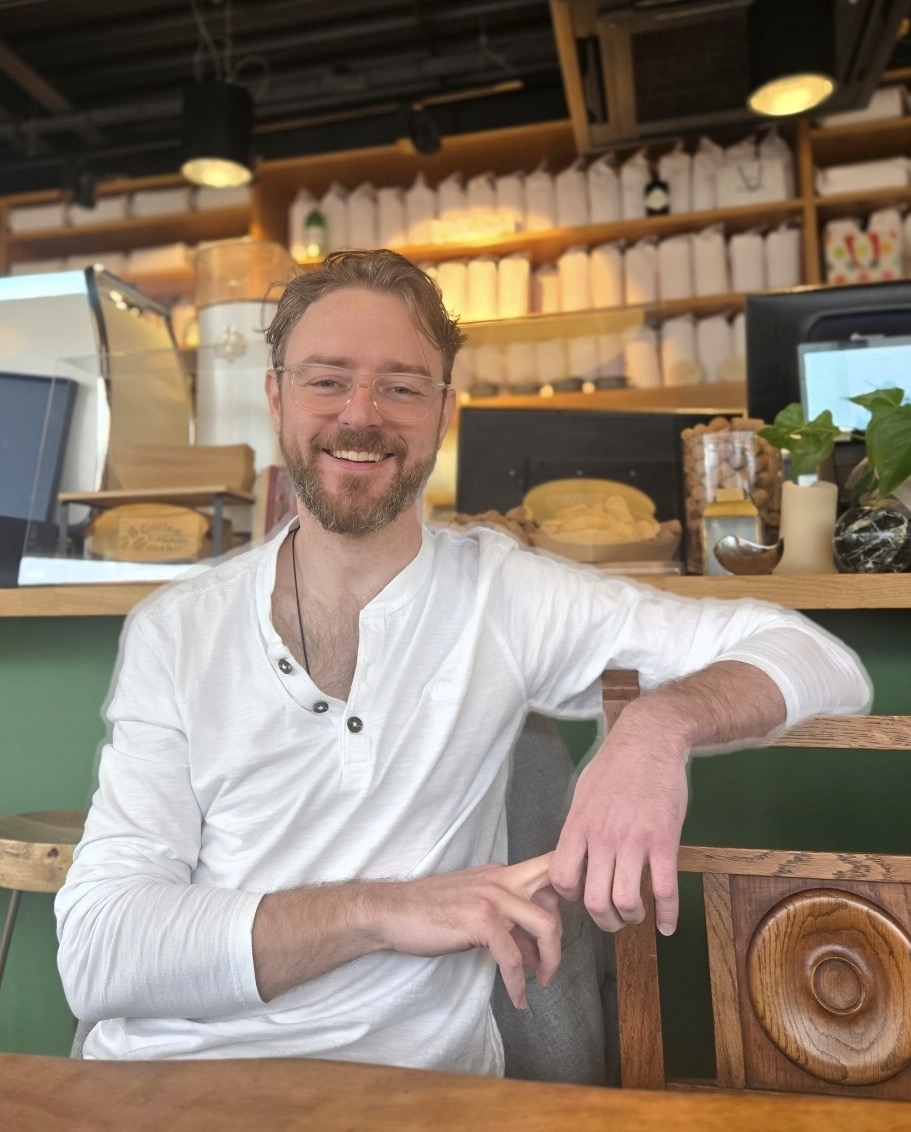
Entrepreneur / patient advocate / author
Dale is an entrepreneur, patient advocate, and speaker who refused to accept a terminal prognosis as the final word. After being diagnosed with stage IV oesophageal cancer and told his disease was incurable, he immersed himself in the science, combining conventional treatment with a carefully researched integrative approach while documenting every step of the journey.
With a background in financial services leadership and regulatory consulting, Dale now applies the same analytical mindset to healthcare innovation and patient empowerment. He is the founder of Clear Signal Partners, a consultancy focused on improving trust and patient experience in healthcare, and the creator of The Life Organic, where he writes about evidence-based health, nutrition, longevity, and his own cancer journey.
Through his writing, speaking engagements, and growing online community, Dale advocates for informed decision-making, personal responsibility, and the belief that patients should be active participants in their own care. His mission is simple: to help others ask better questions, challenge assumptions, and find hope even in the most difficult circumstances.